What can we do to avoid food scarcity!
Overcome Food Crisis – Prepare for rising food prices and potential shortages—starting right now.
Our well-being is dramatically affected by things we can’t control:
More immediately, now there are worldwide concerns.
Ways to prepare for food crisis
Taking easy steps to prepare for a food shortage is in your control no matter what is going on around you.
Perhaps you’ve had a prepper mentality for awhile. If so, you may already have some non-perishables and first aid supplies.
Now may be a time to add more to your stock.
If not, it’s important to stay calm. There’s a lot you can do.
Ways to Beat Stockpiling and Panic Buying
Overcoming food crisis
We are updating this to discuss what to look for in stores now in light of the pandemic. Please see our other posts about prepping, etc. We have lots of information.
Non-perishables:
- Rice, quinoa, noodles
- Beans, lentils, etc. in bags or cans
- Canned meat such as tuna
- Spices
- Canned fruit and vegetables
- Dried fruit
- Other foods you enjoy and that you eat regularly
Buying to eat now:
In the meantime, keep buying what you usually buy.
Eat the fresh foods first.
Be sure to not waste; freeze in advance whatever you think you won’t be able to eat.
Other things to buy to be ready for a crisis
Refill your medicines.
In addition, if it makes sense for your situation, you may want to buy the following:
- Vitamins
- Toothpaste
- OTC medications
- Powered drink mixes, coffee, tea
- Cleaning supplies
- First aid supplies
Keep in mind it’s okay to buy a little extra if your budget permits.
However, you also need to think where to store it in your residence.
It helps if you purchase foods you usually buy and would have bought anyway.
How you can overcome food crisis and minimize the affect on your own family.
Usually within weeks of events, a domino-effect has already begun.
Stores have been experiencing shortages of
Availability and prices of many grain products, vegetables, and fruits will also be affected.
The ultimate results of the strain on supply and distribution channels remains to be seen.
If you’ve been postponing starting or stepping up your own food production or storage, now is a good time to move it to the top of your “to-do” list.
It’s easy to prepare for a food shortage in calmer times because everything is available.
To become prepared for this unlikely scenario, remember, no one knows how long this will last.
There is time to start any of the following things to overcome food shortage.
Start or add to a food storage program
Even if you are planning to raise a lot of your own food, it’s wise to have a stockpile in case a drought or other situation limits your food production.
It is essential to start building a food storage program.
Also include products that you can’t grow or make at home.
Store foods you know your family will enjoy eating; remember seasonings for bland foods like rice and beans.
Foods for food storage
A storage program can include home canned and dehydrated foods as well as purchased groceries, including nut butters and other high protein foods like canned meats.
Warehouse and restaurant supply stores often have great deals on large bags of grains, dry beans, sugar, salt, and other basics.
You can buy multiple small packages and flats of canned goods when you find good deals at the local grocery store.
Eat them, the oldest first, and continue to replenish your supply.
Store your foods at cool temps, but above freezing.
Liquids can freeze during winter, causing cans and jars to explode.
While a garage may be fine for storage in a mild climate, an indoor closet or storage room may be necessary for winter storage.
Learn about storing fresh food.
While you’re at it, remember to store water.
For drinking and cooking, treatment with water purification tablets or bleach is recommended.
Water for household use like flushing toilets and washing dishes need not be treated.
Store your food in a few different places, if you are able.
You may want to have some in the garage, some in your pantry or in a cabinet, and more food stores in a small off-site storage unit.
In the event of a food crisis or catastrophe, you will be better prepared.
Preserve some fresh food to enjoy later
You can stretch out your enjoyment of homegrown or locally grown fruits, vegetables, herbs, and meats throughout the year.
Make the most of your own garden harvest, but look into other sources of fruits, vegetables, and herbs to preserve.
Visit your grocery store, farmers’ markets, local orchards, and farm stands to buy produce by the bag or box.
Wash and dry the produce and chop it up.
Put it in freezer bags or plastic containers.
Remember to label them.
Buy a supply of freezer meat to overcome food crisis
Depending on your geographic area, you may find beef, lamb, and goat meat available.
Grow some vegetables, herbs, and fruit
Anyone can grow something to eat.
Depending on where you live, you may start to see tomato plants and other plants and starts in stores.
Even if your garden soil is poor, you can grow some food.
And if you don’t know how, you can learn!
You don’t even have to wait till next spring to plant a garden or planter.
No matter where you live—cold or warm climate, urban or rural setting, huge farm or small apartment—you can probably grow something green during the fall
If you’re new to gardening, ask a neighbor or your local extension office what can be grown in your area.
Libraries are another great resource. Many participate in a seed program where you can check out seed packets. (You use what’s in the pack and don’t have to return them.)
What to plant to plan for a food shortage
Here in our four-season climate, we have been planting salad greens, root crops, and herbs for harvest throughout the fall and winter.
You can mulch root crops in place in the garden; other crops should be grown in hoop houses or cold frames for frost protection.
You may consider looking into getting a small greenhouse.
As much as we enjoy herbs, we focus on food in times of a food shortage.
In the spring and summer in most climates, these are fairly easy to grow:
- Tomatoes
- Peas
- Peppers
Also, if you have containers, you can plant potatoes and sweet potatoes. Look online for ways to do this not using the dirt and not having to be reliant on the weather.
In a warm-winter area, you can grow many different veggies.
Where winters are cold, you can probably at least still plant mâche/corn salad and claytonia/miners’ lettuce.
In most climates, garlic is best planted in the fall to get established over the winter.
Choose a garlic bulb and plant the biggest garlic cloves, not the small ones.
Save seeds from what you are eating
While we should do this even in good times, it’s imperative in times of a food shortage to use everything you have.
What fresh produce are you eating now? Perhaps you can plant a potato, start slips on a sweet potato, and dry out seeds from tomatoes, peppers, and peas.
Research online how to dry out and plant seeds from fruits and vegetables you are currently eating.
These are things to consider when things get back to normal, you may consider learning how to beingmumin
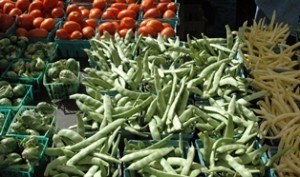 Growing vegetables
Discover local sources of food products
There are many reasons to buy local foods.
Just-harvested locally grown foods are fresher than anything shipped in from elsewhere.
When we shop locally our food will stay in the local economy.
And some products even have effective health benefits.
Eating honey from bees that gather local pollens can help eradicate people’s allergies to the plants themselves.
A fairly simple way to grow nutritious greens is to sprout legumes, grains, and vegetable seeds right in your kitchen.
They don’t require a lot of equipment, space, or time.
You can purchase sprouters or make them from canning jars or strainers.
You can purchase sprouting seeds online or at local health food stores.
Unless they’ve been treated, food-grade legumes and grains from any source can usually be sprouted.
Add sprouts to salads, sandwiches, omelets, breads, and many other dishes and recipes.
While sprouts are a delicious addition to human diets, they’re also wonderful for livestock.


No comments:
Post a Comment
Welcome to Being Mumin