إِنَّمَا الْمُؤْمِنُونَ الَّذِينَ إِذَا ذُكِرَ اللَّهُ وَجِلَتْ قُلُوبُهُمْ
وَإِذَا تُلِيَتْ عَلَيْهِمْ آيَاتُهُ زَادَتْهُمْ إِيمَانًا وَعَلَىٰ رَبِّهِمْ يَتَوَكَّلُونَ
“The true believers (Al Muminun – الْمُؤْمِنُونَ) are those whose hearts tremble when GOD is mentioned, and when His revelations are recited to them, their faith is strengthened, and they trust in their Lord.” (Al Quran # 8:2)
“Who fear their Lord unseen, while they are of the Hour apprehensive.” - (The Noble Qur’an 21:49)
helpless to produce such kind of text? Every one has described it on their own way. I would like to mention those reasons in brief.
First Reason of Being the Quran Miraculous Attribute
The first point to be noted is to understand where, on
whom and in which environment the holy Quran was sent down? Was there such an accredited atmosphere through which a comprehensive and matchless book could be prepared like this, if it can be considered to be a comprehensive guideline on every aspect of social and individual life of mankind comprising on modern and ancient.
THE RING COMPOSITION OF THE QUR’AN
Surah al-Baqarah, which we are going to use as a case study in this article, happens to be the longest chapter of the Qur’an and was revealed over a span of over nine years. Surah Al-Baqarah consists of 286 verses and can be divided into nine main sections based on theme/topic (verse numbers in parenthesis):
1. Faith vs. unbelief (1 – 20).
2. Allah’s creation and knowledge (21 – 39).
3. Deliverance of Law to Children of Israel (40 – 103).
4. Abraham was tested (104 – 141).
5. Ka’ba is the new qibla (142 – 152).
6. Muslims will be tested (153 – 177).
7. Deliverance of Law to Muslims (178 – 253).
8. Allah’s creation and knowledge (254 – 284).
9. Faith vs. unbelief (285 – 286).
Re-arranging this list to fit into a ring composition:
A Faith vs. unbelief (1 – 20).
——–B Allah’s creation and knowledge (21 – 39).
—————-C Deliverance of Law to Children of Israel (40 – 103).
————————D Abraham was tested (104 – 141).
——————————–E Ka’ba is the new qibla (142 – 152).
————————D’ Muslims will be tested (153 – 177).
—————-C’ Deliverance of Law to Muslims (178 – 253).
——–B’ Allah’s creation and knowledge (254 – 284).
A’ Faith vs. unbelief (285 – 286).
A noteworthy point is that the middle of Surah Al-Baqarah, the 143rd verse, mentions an important turning point for the Muslims:
Thus We have appointed you a middle nation, that ye may be witnesses against mankind, and that the messenger may be a witness against you. And We appointed the qiblah which ye formerly observed only that We might know him who followeth the messenger, from him who turneth on his heels. In truth it was a hard (test) save for those whom Allah guided. But it was not Allah’s purpose that your faith should be in vain, for Allah is Full of Pity, Merciful toward mankind. [Chapter 2, verse 143]
This turning point was the change in qiblah, the direction of the daily prayers, from Jerusalem to Makkah. This represented a big test for the believers. We find the mention of this important turning point in exactly the middle of the chapter. Moreover this verse even contains the word ‘middle’!
Finally, it’s worth paying special attention to a particular verse of Surah al-Baqarah, the 255th verse known as ‘Ayat al-Kursi’. This verse is considered the most excellent verse of the Qur’an, according to Prophet Muhammad. Its memorisation is highly encouraged, and it just so happens that it too exhibits a ring composition:
Notice that the middle of Ayat al-Kursi mentions ‘before’ and ‘after’ which could be yet another allusion to the mirroring of ring composition.
It’s worth highlighting that not only does Ayat al-Kursi contain its own ring composition, but it is also positioned as a sub ring within two larger rings – a concentric ring composition:
Raymond K Farrin, author of “Surat al-Baqarah – A Structural Analysis”, concludes on Surah al-Baqarah’s ring composition:
“Indeed this sura exhibits marvellous justness of design. It is precisely and tightly arranged, as we have seen, according to the principles of ring composition; even the section lengths fit perfectly in the overall scheme. Moreover, the precise structure serves as a guide, pointing to key themes in the sura. These occur, according to the logic of the pattern, at the centers of individual rings and, particularly, at the center of the whole sura. At the center of the sura, again, one finds instructions to face Mecca — this being a test of faith; identification of the Muslims as a new, middle community; and the message that all people, regardless of their qibla or spiritual orientation, should race to do good and God will bring them together.”
BENEFITS OF RING COMPOSITION
Ring composition has great exegetical application. For a ring structure not only holds the text together, but also gives focus to the important words and themes. By means of concentric patterning, ring composition calls attention to the centre – we are drawn to look here for the essential message. As Mary Douglas notes concisely, “The meaning is in the middle.” [4]
It also serves as an aid in memorisation, especially useful given the length of Surah al-Baqarah. In his study of ancient poetry, Cedric Whitman found that ring composition simultaneously performed both aesthetic and mnemonic functions. It aids memorisation by permitting the oral poet to easily recall the basic formulae of the composition during performances [5].
RING COMPOSITION IN OTHER LITERATURE
Some critics may point out that texts prior to the Qur’an had this literary style and therefore we cannot use this as evidence of the Qur’an’s divine origin. They put forward examples from Mary Douglas’ book “Thinking in Circles: An Essay on Ring Composition” which states that ring compositions are found throughout ancient Eastern Mediterranean literature (like Homer’s Iliad) as well as the Bible.
Comparing the Qur’an’s structure to that of other texts is like comparing night and day for the following reasons:
1. Prophet Muhammad could not read or write, so it’s a lot more difficult to plan such a structure when all you have to go on is memory (the Qur’an was revealed orally of course).
2. Prophet Muhammad was not a poet nor did he have any literary reputation, and yet the Qur’an has this remarkable structure. How can a person with little to no experience or skill in poetry/literature achieve such sophistication?
3. The verses of the Qur’an were not revealed in sequential order like with conventional texts. Surah al-Baqarah, the example covered in this article, was revealed over a period of many years with its verses interspaced with the revelation of verses from other chapters. Unlike conventional texts this makes implementing such a structure much more difficult.
4. Many verses of the Qur’an are linked to questions and events that occurred unexpectedly, so unless a person can predict the future, how could a human being plan the verses ahead of time when they were not in his control? Other texts such as the Bible were written by multiple authors long after Moses and Jesus (peace be upon them) which would make planning such a structure much easier.
5. The Qur’an did not undergo any editorial process, Prophet Muhammad would fix the positions of the new verses as soon as they were revealed to him. With each new verse, again which were tied to external questions and events that were outside of his control, he would not go off and review what had been previously revealed and see where he can fit them in order to maintain this ring structure. So spontaneous revelation was immediately followed by the placement of the verse into the Qur’an, and once placed it was fixed with no opportunity for later editing. Other texts such as the Bible show evidence of multiple authors and several stages of editing, again making is much easier to achieve such a structure.
In summary, it is the unique circumstances of the revelation of the Qur’an that make its ring structure a strong argument for its divine origin.
CONCLUSION
Given the difficult and protracted circumstances of the Qur’an’s revelation, one would expect it to be in disorder. However as this article has demonstrated, any such understanding reveals a lack of insight into the Qur’an’s sophisticated structure. Upon deep analysis of the Qur’an’s composition we see that it exhibits a remarkable structure. It is simply impossible for Prophet Muhammad, given that he could neither read nor write and had no reputation as a poet or literary expert, to have engineered such a structure himself.
This represents compelling evidence that his inspiration for the Qur’an was God Almighty, as the Qur’an itself states:
“Your Companion is neither astray nor being misled. Nor does he say (aught) of (his own) desire. It is no less than inspiration sent down to him. He was taught by one mighty in Power.” [Chapter 53, verses 2-5]
தாஸீம்மீம்.
(அல்குர்ஆன் : 28:1)
تِلْكَ اٰيٰتُ الْـكِتٰبِ الْمُبِيْنِ
இவை தெளிவான வேதத்தின் வசனங்களாகும்.
(அல்குர்ஆன் : 28:2)
نَـتْلُوْا عَلَيْكَ مِنْ نَّبَاِ مُوْسٰى وَفِرْعَوْنَ بِالْحَـقِّ لِقَوْمٍ يُّؤْمِنُوْنَ
நம்பிக்கை கொள்ளும் மக்களின் நலனுக்காக மூஸா மற்றும் ஃபிர்அவ்னைப் பற்றிய சில செய்திகளை மிகத் துல்லியமாக உங்களுக்கு நாம் எடுத்துரைக்கின்றோம்.
(அல்குர்ஆன் : 28:3)
اِنَّ فِرْعَوْنَ عَلَا فِى الْاَرْضِ وَجَعَلَ اَهْلَهَا شِيَـعًا يَّسْتَضْعِفُ طَآٮِٕفَةً مِّنْهُمْ يُذَبِّحُ اَبْنَآءَهُمْ وَيَسْتَحْىٖ نِسَآءَهُمْ اِنَّهٗ كَانَ مِنَ الْمُفْسِدِيْنَ
திண்ணமாக, ஃபிர்அவ்ன் பூமியில் வரம்பு மீறி நடந்துகொண்டான். அதில் வசிப்பவர்களைப் பல்வேறு பிரிவுகளாகப் பிரித்தான். அவர்களில் ஒரு பிரிவினரை இழிவுபடுத்தினான். அவர்களுடைய ஆண் மக்களைக் கொன்றான்; அவர்களின் பெண் மக்களை உயிரோடு விட்டுவிட்டான். உண்மையில் அவன் அராஜகம் புரிவோரைச் சேர்ந்தவனாக இருந்தான்.
(அல்குர்ஆன் : 28:4)
وَنُرِيْدُ اَنْ نَّمُنَّ عَلَى الَّذِيْنَ اسْتُضْعِفُوْا فِى الْاَرْضِ وَنَجْعَلَهُمْ اَٮِٕمَّةً وَّنَجْعَلَهُمُ الْوٰرِثِيْنَۙ
மேலும், எவர்கள் பூமியில் ஒடுக்கப்பட்டிருந்தார்களோ அவர்கள் மீது நாம் அருள் புரியவும், அவர்களைத் தலைவர்களாக்கவும், அவர்களை வாரிசுகளாக்கி பூமியில் ஆட்சியதிகாரத்தை அவர்களுக்கு வழங்கவும் நாம் நாடியிருந்தோம்.
(அல்குர்ஆன் : 28:5)
وَنُمَكِّنَ لَهُمْ فِى الْاَرْضِ وَنُرِىَ فِرْعَوْنَ وَهَامٰنَ وَجُنُوْدَهُمَا مِنْهُمْ مَّا كَانُوْا يَحْذَرُوْنَ
மேலும், அவர்களின் மூலமாக ஃபிர்அவ்னுக்கும், ஹாமானுக்கும், அவ்விருவரின் படையினருக்கும் அவர்கள் எதைப் பற்றி அஞ்சிக் கொண்டிருந்தார்களோ அதை நாம் காண்பித்துக் கொடுக்கவும் நாடியிருந்தோம்.
(அல்குர்ஆன் : 28:6)
وَاَوْحَيْنَاۤ اِلٰٓى اُمِّ مُوْسٰٓى اَنْ اَرْضِعِيْهِ فَاِذَا خِفْتِ عَلَيْهِ فَاَ لْقِيْهِ فِى الْيَمِّ وَلَا تَخَافِىْ وَلَا تَحْزَنِىْ اِنَّا رَآدُّوْهُ اِلَيْكِ وَجٰعِلُوْهُ مِنَ الْمُرْسَلِيْنَ
மேலும், நாம் மூஸாவின் தாயாருக்கு அறிவித்தோம், “இக் குழந்தைக்குப் பாலூட்டுவீராக! இனி, அதன் உயிருக்கு ஆபத்து வரும் என்று நீர் அஞ்சினால் அதனை ஆற்றில் விட்டுவிடும். நீர் யாதொரு அச்சமும், கவலையும் கொள்ளவேண்டாம். திண்ணமாக நாம், அவரை உம்மிடமே திரும்பக் கொண்டுவந்துவிடுவோம். மேலும், அவரைத் தூதர்களில் ஒருவராயும் ஆக்குவோம்!”
(அல்குர்ஆன் : 28:7)
فَالْتَقَطَهٗۤ اٰلُ فِرْعَوْنَ لِيَكُوْنَ لَهُمْ عَدُوًّا وَّحَزَنًا اِنَّ فِرْعَوْنَ وَهَامٰنَ وَجُنُوْدَهُمَا كَانُوْا خٰطِـــِٕيْنَ
இறுதியில், ஃபிர்அவ்னுடைய குடும்பத்தார் அக்குழந்தையை (ஆற்றிலிருந்து) கண்டெடுத்தார்கள். அக்குழந்தை அவர்களுக்கு எதிரியாகவும், அவர்களின் கவலைக்குக் காரணமாகவும் அமையவேண்டும் என்பதற்காக! உண்மையில் ஃபிர்அவ்னும், ஹாமானும், அவ்விருவருடைய படையினரும் (தங்கள் திட்டத்தில்) பெரிதும் தவறிவிட்டிருந்தார்கள்.
(அல்குர்ஆன் : 28:8)
وَقَالَتِ امْرَاَتُ فِرْعَوْنَ قُرَّتُ عَيْنٍ لِّىْ وَلَكَ لَا تَقْتُلُوْهُ عَسٰٓى اَنْ يَّـنْفَعَنَاۤ اَوْ نَـتَّخِذَهٗ وَلَدًا وَّهُمْ لَا يَشْعُرُوْنَ
ஃபிர்அவ்னுடைய மனைவி (அவனிடம்) கூறினாள்: “இக்குழந்தை எனக்கும் உங்களுக்கும் கண் குளிர்ச்சியாய் உள்ளது. நீங்கள் இதனைக் கொன்றுவிடாதீர்கள். இக்குழந்தை நமக்குப் பயனளிக்கலாம். அல்லது இதனை நாம் மகனாகத் தத்தெடுத்துக் கொள்ளலாம்.” அவர்கள் (விளைவை) உணராதிருந்தார்கள்.
(அல்குர்ஆன் : 28:9)
وَاَصْبَحَ فُؤَادُ اُمِّ مُوْسٰى فٰرِغًا اِنْ كَادَتْ لَـتُبْدِىْ بِهٖ لَوْلَاۤ اَنْ رَّبَطْنَا عَلٰى قَلْبِهَا لِتَكُوْنَ مِنَ الْمُؤْمِنِيْنَ
அங்கே.. மூஸாவுடைய தாயாரின் உள்ளம் ஏங்கித் தவித்துக் கொண்டிருந்தது. (நமது வாக்குறுதியின்மீது) நம்பிக்கை கொள்வோரில் அவரும் ஒருவராக வேண்டும் என்பதற்காக, நாம் அவருடைய உள்ளத்தை உறுதிப்படுத்தவில்லையானால் நிச்சயம் அக்குழந்தையின் இரகசியத்தை அவர் வெளிப்படுத்த முனைந்திருப்பார்.
(அல்குர்ஆன் : 28:10)
وَقَالَتْ لِاُخْتِهٖ قُصِّيْهِ فَبَصُرَتْ بِهٖ عَنْ جُنُبٍ وَّهُمْ لَا يَشْعُرُوْنَۙ
அவர் அக்குழந்தையின் சகோதரியிடம் கூறினார்: “அதைப் பின்தொடர்ந்தே செல்!” அவ்வாறே (எதிரிகள்) அறிந்து கொள்ளாத வகையில் தூரத்திலிருந்து அக்குழந்தையைப் பார்த்துக் கொண்டிருந்தாள்.
(அல்குர்ஆன் : 28:11)
وَحَرَّمْنَا عَلَيْهِ الْمَرَاضِعَ مِنْ قَبْلُ فَقَالَتْ هَلْ اَدُلُّـكُمْ عَلٰٓى اَهْلِ بَيْتٍ يَّكْفُلُوْنَهٗ لَـكُمْ وَهُمْ لَهٗ نٰصِحُوْنَ
மேலும், இதர பெண்களின் மார்பகங்களிலிருந்து பால் அருந்துவதை விட்டு முன்னரே, அக்குழந்தையைத் தடுத்திருந்தோம். (இந்நிலையைக் கவனித்து) அச்சிறுமி கூறினாள்: “இக்குழந்தையைப் பரிபாலித்து வளர்க்கும் பொறுப்பை ஏற்றுக்கொள்ளக்கூடிய ஒரு வீட்டாரைப்பற்றி நான் உங்களுக்கு அறிவித்துத் தரட்டுமா?”
(அல்குர்ஆன் : 28:12)
فَرَدَدْنٰهُ اِلٰٓى اُمِّهٖ كَىْ تَقَرَّ عَيْنُهَا وَلَا تَحْزَنَ وَلِتَعْلَمَ اَنَّ وَعْدَ اللّٰهِ حَقٌّ وَّلٰـكِنَّ اَكْثَرَهُمْ لَا يَعْلَمُوْنَ
இவ்வாறு நாம் மூஸாவை அவருடைய தாயாரிடம் திரும்பக் கொண்டு வந்தோம்; அவர் கண்குளிர்ந்து, கவலை மறந்திருப்பதற்காகவும், அல்லாஹ்வின் வாக்குறுதி உண்மையானதென்று அறிந்து கொள்வதற்காகவும்தான்! ஆயினும், மக்களில் பெரும்பாலோர் இதனை அறிவதில்லை.
(அல்குர்ஆன் : 28:13)
وَلَمَّا بَلَغَ اَشُدَّهٗ وَاسْتَوٰٓى اٰتَيْنٰهُ حُكْمًا وَّعِلْمًا وَكَذٰلِكَ نَجْزِى الْمُحْسِنِيْنَ
மேலும், மூஸா வாலிபத்தை அடைந்து முழு வளர்ச்சியும் பெற்றபோது, நாம் அவருக்கு நுண்ணறிவையும் ஞானத்தையும் வழங்கினோம். நன்மக்களுக்கு இவ்வாறே நாம் கூலி வழங்குகின்றோம்.
(அல்குர்ஆன் : 28:14)
وَدَخَلَ الْمَدِيْنَةَ عَلٰى حِيْنِ غَفْلَةٍ مِّنْ اَهْلِهَا فَوَجَدَ فِيْهَا رَجُلَيْنِ يَقْتَتِلٰنِ هٰذَا مِنْ شِيْعَتِهٖ وَهٰذَا مِنْ عَدُوِّهٖ فَاسْتَغَاثَهُ الَّذِىْ مِنْ شِيْعَتِهٖ عَلَى الَّذِىْ مِنْ عَدُوِّهٖۙ فَوَكَزَهٗ مُوْسٰى فَقَضٰى عَلَيْهِ قَالَ هٰذَا مِنْ عَمَلِ الشَّيْطٰنِ اِنَّهٗ عَدُوٌّ مُّضِلٌّ مُّبِيْنٌ
(ஒருநாள்) நகர மக்கள் கவனக்குறைவாய் இருந்தபோது அவர் நகரினுள் நுழைந்தார். அங்கு இருவர் சண்டையிட்டுக்கொண்டிருப்பதைக் கண்டார். ஒருவன் அவருடைய சமூகத்தைச் சேர்ந்தவன். மற்றவன் அவருடைய எதிரிகளின் சமுதாயத்தைச் சேர்ந்தவன். அவருடைய சொந்த சமுதாயத்தைச் சேர்ந்தவன், எதிர் சமுதாயத்தைச் சேர்ந்தவனுக்கு எதிராகத் தனக்கு உதவும்படி இவரை அழைத்தான். மூஸா அவனை ஓங்கிக் குத்தினார்; அவன் கதையை முடித்தார். (இவ்வாறு நிகழ்ந்ததும்) மூஸா கூறினார்: “இது ஷைத்தானின் செயல்; அவன் கடும் பகைவனும், வெளிப்படையாக வழி கெடுப்பவனுமாவான்.”
(அல்குர்ஆன் : 28:15)
قَالَ رَبِّ اِنِّىْ ظَلَمْتُ نَفْسِىْ فَاغْفِرْ لِىْ فَغَفَرَ لَهٗ اِنَّهٗ هُوَ الْغَفُوْرُ الرَّحِيْمُ
மூஸா இறைஞ்சினார்: “என் இறைவா! என்மீது நானே கொடுமை இழைத்துக் கொண்டேன். என்னை மன்னித்தருள்வாயாக!” அல்லாஹ் அவருக்கு மன்னிப்பு வழங்கினான். அவன் பெரிதும் மன்னிப்பவனாகவும் கிருபை புரிபவனாகவும் இருக்கின்றான்.
(அல்குர்ஆன் : 28:16)
قَالَ رَبِّ بِمَاۤ اَنْعَمْتَ عَلَىَّ فَلَنْ اَكُوْنَ ظَهِيْرًا لِّلْمُجْرِمِيْنَ
மூஸா உறுதியாகக் கூறினார்: “என் இறைவா! நீ என்மீது அருளிய இந்த உபகாரத்திற்காக இனி ஒருபோதும் நான், குற்றவாளிகளுக்கு உதவி செய்பவனாக இருக்கமாட்டேன்.”
(அல்குர்ஆன் : 28:17)
فَاَصْبَحَ فِى الْمَدِيْنَةِ خَآٮِٕفًا يَّتَرَقَّبُ فَاِذَا الَّذِى اسْتَـنْصَرَهٗ بِالْاَمْسِ يَسْتَصْرِخُهٗ قَالَ لَهٗ مُوْسٰٓى اِنَّكَ لَـغَوِىٌّ مُّبِيْنٌ
மறுநாள் அதிகாலையில் அஞ்சியபடியும் (நாற்புறங்களிலிருந்து) அபாயத்தை உணர்ந்தவாறும் நகரில் அவர் போய்க் கொண்டிருந்தார். அப்போது நேற்றைய தினம் அவரை உதவிக்கு அழைத்த அதே மனிதன் இன்றும் உதவிக்காக அழைத்துக் கொண்டிருப்பதைக் காண்கின்றார். “நிச்சயம் நீ வெளிப்படையான வழிகேடன்தான்” என்று மூஸா அவனை நோக்கிக் கூறிவிட்டு,
(அல்குர்ஆன் : 28:18)
فَلَمَّاۤ اَنْ اَرَادَ اَنْ يَّبْطِشَ بِالَّذِىْ هُوَ عَدُوٌّ لَّهُمَا ۙ قَالَ يٰمُوْسٰٓى اَ تُرِيْدُ اَنْ تَقْتُلَنِىْ كَمَا قَتَلْتَ نَفْسًا بِالْاَمْسِ اِنْ تُرِيْدُ اِلَّاۤ اَنْ تَكُوْنَ جَبَّارًا فِى الْاَرْضِ وَمَا تُرِيْدُ اَنْ تَكُوْنَ مِنَ الْمُصْلِحِيْنَ
தங்கள் எதிரியின் சமுதாயத்தைச் சேர்ந்த மனிதனைத் தாக்க விரும்பியபோது அவன் உரக்கக் கூறினான்: “மூஸாவே! நேற்று ஒருவனை நீர் கொலை செய்தது போல இன்று என்னையும் கொலை செய்யலாமென்று கருதுகின்றீரா? நீர் இந்த நாட்டில் அடக்குமுறையாளராய் இருக்க நினைக்கின்றீரே தவிர, சீர்திருத்தவாதியாய்த் திகழ விரும்பவில்லை.”
(அல்குர்ஆன் : 28:19)
وَجَآءَ رَجُلٌ مِّنْ اَقْصَا الْمَدِيْنَةِ يَسْعٰى قَالَ يٰمُوْسٰٓى اِنَّ الْمَلَاَ يَاْتَمِرُوْنَ بِكَ لِيَـقْتُلُوْكَ فَاخْرُجْ اِنِّىْ لَـكَ مِنَ النّٰصِحِيْنَ
(இதன் பின்னர்) நகரின் கோடியிலிருந்து ஒருவர் ஓடிவந்து கூறினார்: “மூஸாவே! தலைவர்கள் உம்மைக் கொல்வதற்குச் சதித்திட்டம் தீட்டிக் கொண்டிருக்கின்றார்கள். எனவே, நீர் இங்கிருந்து வெளியேறிவிடும். நான் உமக்கு நலம் நாடுபவனாய் இருக்கின்றேன்.
(அல்குர்ஆன் : 28:20)
فَخَرَجَ مِنْهَا خَآٮِٕفًا يَّتَرَقَّبُ قَالَ رَبِّ نَجِّنِىْ مِنَ الْقَوْمِ الظّٰلِمِيْنَ
(இச்செய்தியைக் கேட்டதும்) மூஸா அஞ்சியவராய் முழு எச்சரிக்கையோடு வெளியேறிவிட்டார். மேலும் இறைஞ்சினார்: “என் இறைவா! என்னை கொடுமையாளர்களிடமிருந்து காப்பாற்றுவாயாக!”
(அல்குர்ஆன் : 28:21)
وَلَـمَّا تَوَجَّهَ تِلْقَآءَ مَدْيَنَ قَالَ عَسٰى رَبِّىْۤ اَنْ يَّهْدِيَنِىْ سَوَآءَ السَّبِيْلِ
மூஸா (எகிப்திலிருந்து வெளியேறி) மத்யனை நோக்கித் திரும்பியபோது “என்னுடைய இறைவன் எனக்கு நேரான வழியைக் காட்டக்கூடும்!” என்று கூறினார்.
(அல்குர்ஆன் : 28:22)
وَلَـمَّا وَرَدَ مَآءَ مَدْيَنَ وَجَدَ عَلَيْهِ اُمَّةً مِّنَ النَّاسِ يَسْقُوْنَ وَوَجَدَ مِنْ دُوْنِهِمُ امْرَاَتَيْنِ تَذُوْدٰنِ قَالَ مَا خَطْبُكُمَا قَالَـتَا لَا نَسْقِىْ حَتّٰى يُصْدِرَ الرِّعَآءُ ٚ وَاَبُوْنَا شَيْخٌ كَبِيْرٌ
மேலும், அவர் மத்யனுடைய கிணற்றுக்கு அருகில் வந்தபோது, அங்கு மக்கள் பலர் தங்களுடைய கால்நடைகளுக்குத் தண்ணீர் புகட்டிக் கொண்டிருப்பதைக் கண்டார். அவர்களைவிட்டு சற்று விலகி ஒருபுறம் இரண்டு பெண்கள் தம்முடைய கால்நடைகளைத் தடுத்து வைத்துக்கொண்டிருப்பதையும் கண்டார். மூஸா (அப்பெண்களிடம்) “உங்களுடைய பிரச்னை என்ன?” என்று கேட்டார். அவர்கள் கூறினார்கள்: “இந்த இடையர்கள் (தங்கள் கால்நடைகளை) திரும்ப ஓட்டிச் செல்லும் வரை (எங்களுடைய கால்நடைகளுக்கு) எங்களால் தண்ணீர் புகட்ட முடிவதில்லை. மேலும், எங்கள் தந்தையோ மிகவும் வயதானவராய் இருக்கின்றார்”
(அல்குர்ஆன் : 28:23)
فَسَقٰى لَهُمَا ثُمَّ تَوَلّٰٓى اِلَى الظِّلِّ فَقَالَ رَبِّ اِنِّىْ لِمَاۤ اَنْزَلْتَ اِلَىَّ مِنْ خَيْرٍ فَقِيْرٌ
(இதைக் கேட்ட) மூஸா, அவர்களுடைய கால்நடைகளுக்குத் தண்ணீர் புகட்டினார். பிறகு, ஒரு நிழலில் போய் அமர்ந்து கூறினார்: “என் இறைவா! நீ எனக்கு இறக்கியருளுகின்ற நன்மை எதுவானாலும் சரி, நான் அதன் பக்கம் தேவையுடையவனாக இருக்கின்றேன்”
(அல்குர்ஆன் : 28:24)
فَجَآءَتْهُ اِحْدٰٮہُمَا تَمْشِىْ عَلَى اسْتِحْيَآءٍ قَالَتْ اِنَّ اَبِىْ يَدْعُوْكَ لِيَجْزِيَكَ اَجْرَ مَا سَقَيْتَ لَـنَا فَلَمَّا جَآءَهٗ وَقَصَّ عَلَيْهِ الْقَصَصَ ۙ قَالَ لَا تَخَفْ نَجَوْتَ مِنَ الْقَوْمِ الظّٰلِمِيْنَ
(சிறிது நேரம்கூட செல்லவில்லை, அதற்குள்) அவ்விரு பெண்களில் ஒருத்தி நாணத்தோடு அவரிடம் நடந்து வந்து கூறினாள்: “என்னுடைய தந்தை உங்களை அழைக்கின்றார். நீங்கள் எங்களுடைய கால்நடைகளுக்குத் தண்ணீர் புகட்டியதற்கான கூலியைத் தங்களுக்குத் தருவதற்காக!” மூஸா அவரிடம் வந்தார். மேலும், தனக்கு நேர்ந்த அனைத்து நிலைமைகளையும் அவரிடம் எடுத்துரைத்தபோது அவர் கூறினார்: “அஞ்சாதீர்! கொடுமையாளர்களிடமிருந்து நீர் தப்பித்துவிட்டீர்!”
(அல்குர்ஆன் : 28:25)
قَالَتْ اِحْدٰٮہُمَا يٰۤاَبَتِ اسْتَاْجِرْهُ اِنَّ خَيْرَ مَنِ اسْتَـاْجَرْتَ الْقَوِىُّ الْاَمِيْنُ
அவ்விரு பெண்களில் ஒருத்தி தன் தந்தையிடம் கூறினாள்: “என் தந்தையே! இவரைப் பணியாளாய் வைத்துக் கொள்ளுங்கள். எவர் வலிமை மிக்கவராயும் நம்பிக்கைக்குரியவராயும் இருக்கின்றாரோ அப்படிப்பட்டவர்தான் நீங்கள் பணியில் அமர்த்திக்கொள்வதற்கு மிகவும் சிறந்தவராவார்.”
(அல்குர்ஆன் : 28:26)
قَالَ اِنِّىْۤ اُرِيْدُ اَنْ اُنْكِحَكَ اِحْدَى ابْنَتَىَّ هٰتَيْنِ عَلٰٓى اَنْ تَاْجُرَنِىْ ثَمٰنِىَ حِجَجٍ فَاِنْ اَتْمَمْتَ عَشْرًا فَمِنْ عِنْدِكَ وَمَاۤ اُرِيْدُ اَنْ اَشُقَّ عَلَيْكَ سَتَجِدُنِىْۤ اِنْ شَآءَ اللّٰهُ مِنَ الصّٰلِحِيْنَ
அப்பெண்ணின் தந்தை மூஸாவிடம் கூறினார்: “என்னுடைய இவ்விரு பெண்களில் ஒருத்தியை உமக்குத் திருமணம் செய்து தர நான் விரும்புகின்றேன். நீர் எட்டாண்டு காலம் எனக்கு ஊழியம் செய்யவேண்டும் என்கின்ற நிபந்தனையின் பேரில்! ஆனால், நீர் பத்து ஆண்டாக நிறைவு செய்தால் அது உம்முடைய விருப்பம்!
(அல்குர்ஆன் : 28:27)
قَالَ ذٰ لِكَ بَيْنِىْ وَبَيْنَكَ اَيَّمَا الْاَجَلَيْنِ قَضَيْتُ فَلَا عُدْوَانَ عَلَـىَّ وَاللّٰهُ عَلٰى مَا نَقُوْلُ وَكِيْلٌ
நான் உமக்கு சிரமம் கொடுக்க விரும்பவில்லை. இறைவன் நாடினால், என்னை நல்லவராக நீர் காண்பீர்.” அதற்கு மூஸா பதிலளித்தார்: “எனக்கும் உங்களுக்கும் இடையில் இந்த விஷயம் முடிவாகிவிட்டது. இவ்விரு தவணைகளில் எதனை நான் நிறைவேற்றினாலும் (அதன் பிறகு) எவ்விதத்திலும் எனக்கு சிரமம் தரக்கூடாது. மேலும், நாம் பேசித் தீர்மானித்திருக்கின்ற இந்த ஒப்பந்தத்துக்கு அல்லாஹ் சாட்சியாக இருக்கின்றான்.”
(அல்குர்ஆன் : 28:28)
فَلَمَّا قَضٰى مُوْسَى الْاَجَلَ وَسَارَ بِاَهْلِهٖۤ اٰنَسَ مِنْ جَانِبِ الطُّوْرِ نَارًا قَالَ لِاَهْلِهِ امْكُثُوْۤا اِنِّىْۤ اٰنَسْتُ نَارًا لَّعَلِّىْۤ اٰتِيْكُمْ مِّنْهَا بِخَبَرٍ اَوْ جَذْوَةٍ مِّنَ النَّارِ لَعَلَّكُمْ تَصْطَلُوْنَ
மூஸா தவணையை பூர்த்தியாக்கி விட்டுத் தம் குடும்பத்தாரை அழைத்துக் கொண்டு சென்றபோது ‘தூர்’ அருகில் நெருப்பைக் கண்டார். அவர் தம்முடைய குடும்பத்தாரிடம் கூறினார்: “நில்லுங்கள்! நான் ஒரு நெருப்பைக் காண்கின்றேன். நான் அங்கிருந்து ஏதேனும் செய்தியை அறிந்து வரலாம்; அல்லது அந்த நெருப்பிலிருந்து ஒரு கொள்ளியைக் கொண்டு வரலாம். அதன் மூலம் நீங்கள் குளிர்காயலாம்.”
(அல்குர்ஆன் : 28:29)
فَلَمَّاۤ اَتٰٮهَا نُوْدِىَ مِنْ شَاطِیٴِ الْوَادِ الْاَيْمَنِ فِى الْبُقْعَةِ الْمُبٰرَكَةِ مِنَ الشَّجَرَةِ اَنْ يّٰمُوْسٰٓى اِنِّىْۤ اَنَا اللّٰهُ رَبُّ الْعٰلَمِيْنَ ۙ
அவர் அங்கு சென்றதும் பள்ளத்தாக்கின் வலக்கரையில் அருள்பாலிக்கப்பட்ட ஒரு மரத்திலிருந்து உருவிலி (அசரீரி) எழுந்தது: “மூஸாவே! நான்தான் அல்லாஹ்! அகிலத்தாரின் அதிபதி”.
(அல்குர்ஆன் : 28:30)
اِنِّىْۤ اَنَا رَبُّكَ فَاخْلَعْ نَـعْلَيْكَ اِنَّكَ بِالْوَادِ الْمُقَدَّسِ طُوًى
நானே உம்முடைய இறைவன்; உம்முடைய காலணிகளைக் கழற்றிவிடும். திண்ணமாக நீர் “துவா” எனும் புனிதமான பள்ளத்தாக்கில் இருக்கிறீர்.
(அல்குர்ஆன் : 20:12)
وَاَنَا اخْتَرْتُكَ فَاسْتَمِعْ لِمَا يُوْحٰى
மேலும், நான் உம்மைத் தேர்ந்தெடுத்துள்ளேன். எனவே “வஹியாக”* அருளப்படுகின்றவற்றைச் செவியேற்பீராக!
(அல்குர்ஆன் : 20:13)
اِنَّنِىْۤ اَنَا اللّٰهُ لَاۤ اِلٰهَ اِلَّاۤ اَنَا فَاعْبُدْنِىْ ۙ وَاَقِمِ الصَّلٰوةَ لِذِكْرِىْ
திண்ணமாக, நான்தான் அல்லாஹ்; என்னைத் தவிர வேறு இறைவன் இல்லை. எனவே, எனக்கு அடிபணிவீராக! என்னை நினைவுகூர்வதற்காகத் தொழுகையை நிலைநிறுத்துவீராக!
(அல்குர்ஆன் : 20:14)
اِنَّ السَّاعَةَ اٰتِيَـةٌ اَكَادُ اُخْفِيْهَا لِتُجْزٰى كُلُّ نَفْسٍ بِمَا تَسْعٰى
மறுமைநாள் வருவது திண்ணம். அது வரும் நேரத்தை நான் மறைத்து வைக்க விரும்புகின்றேன்; ஒவ்வொரு ஆன்மாவும் அவரவரின் முயற்சிகளுக்கேற்ற கூலி பெற வேண்டும் என்பதற்காக!
(அல்குர்ஆன் : 20:15)
فَلَا يَصُدَّنَّكَ عَنْهَا مَنْ لَّا يُؤْمِنُ بِهَا وَاتَّبَعَ هَوٰٮهُ فَتَرْدٰى
எனவே, எவன் அந்த நாளின் மீது நம்பிக்கை கொள்ளாமல் தன் மன இச்சையைப் பின்பற்றுகின்றானோ அவன் அந்நாளைப் பற்றிய சிந்தனையிலிருந்து உம்மைத் தடுத்திட வேண்டாம். அவ்வாறாயின் நீர் அழிவிற்குள்ளாகி விடுவீர்
(அல்குர்ஆன் : 20:16)
وَمَا تِلْكَ بِيَمِيْنِكَ يٰمُوْسٰى
மேலும், மூஸாவே! உம்முடைய வலக்கரத்தில் இருப்பது என்ன?”
(அல்குர்ஆன் : 20:17)
قَالَ هِىَ عَصَاىَ اَتَوَكَّؤُا عَلَيْهَا وَاَهُشُّ بِهَا عَلٰى غَـنَمِىْ وَلِىَ فِيْهَا مَاٰرِبُ اُخْرٰى
அதற்கு மூஸா பதிலளித்தார்: “இது என்னுடைய கைத்தடி; இதனை ஊன்றிக் கொண்டு நடப்பேன்; இதன் மூலம் என்னுடைய ஆடுகளுக்கு இலை தழைகளைப் பறித்துப் போடுவேன்; இன்னும் இதன் மூலம் என்னுடைய வேறு பல தேவைகளும் நிறைவேறுகின்றன.”
(அல்குர்ஆன் : 20:18)
قَالَ اَلْقِهَا يٰمُوْسٰى
அப்போது இறைவன், “மூஸாவே! நீர் அதனைக் கீழே எறிந்துவிடும்” என்றான்.
(அல்குர்ஆன் : 20:19)
فَاَلْقٰٮهَا فَاِذَا هِىَ حَيَّةٌ تَسْعٰى
அவர் அதனை எறிந்துவிட்டார். உடனே அது நெளிந்து செல்லும் பாம்பாயிற்று;
(அல்குர்ஆன் : 20:20)
قَالَ خُذْهَا وَلَا تَخَفْ سَنُعِيْدُهَا سِيْرَتَهَا الْاُوْلٰى
இறைவன் கூறினான்: “இதனைப் பிடியும்; அஞ்சாதீர்; முன்பு எப்படி இருந்ததோ அப்படியே இதனை மீண்டும் ஆக்கிவிடுவோம்.
(அல்குர்ஆன் : 20:21)
وَاضْمُمْ يَدَكَ اِلَىٰ جَنَاحِكَ تَخْرُجْ بَيْضَآءَ مِنْ غَيْرِ سُوْٓءٍ اٰيَةً اُخْرٰىۙ
மேலும், உம்முடைய கையை உம்முடைய கக்கத்தில் சேர்த்து வைப்பீராக! அது பிரகாசமாக வெளிப்படும், எத்தகைய ஊறுமின்றி! இது மற்றொரு சான்றாகும்.
(அல்குர்ஆன் : 20:22)
لِنُرِيَكَ مِنْ اٰيٰتِنَا الْـكُبْـرٰى
ஏனெனில், நாம் உமக்கு நம்முடைய மாபெரும் சான்றுகளைக் காண்பிக்கக் கூடியவராய் இருக்கிறோம்.
(அல்குர்ஆன் : 20:23)
اِذْهَبْ اِلٰى فِرْعَوْنَ اِنَّهٗ طَغٰى
இனி, நீர் ஃபிர்அவ்னிடம் செல்லும்; அவன் வரம்பு மீறியவனாக இருக்கின்றான்.”
(அல்குர்ஆன் : 20:24)
قَالَ رَبِّ اشْرَحْ لِىْ صَدْرِىْ ۙ
அதற்கு மூஸா வேண்டிக் கொண்டார்: “என் இறைவா, என் நெஞ்சத்தை விரிவாக்கியருள்வாயாக!
(அல்குர்ஆன் : 20:25)
وَيَسِّرْ لِىْۤ اَمْرِىْ ۙ
மேலும், என் செயல்களை எனக்கு இலகுவாக்கித் தருவாயாக.
(அல்குர்ஆன் : 20:26)
وَاحْلُلْ عُقْدَةً مِّنْ لِّسَانِیْ ۙ
என் நாவிலுள்ள முடிச்சை அவிழ்த்து விடுவாயாக;
(அல்குர்ஆன் : 20:27)
يَفْقَهُوْا قَوْلِیْ
நான் கூறுவதை மக்கள் புரிந்து கொள்வார்கள்.
(அல்குர்ஆன் : 20:28)
وَاجْعَلْ لِّىْ وَزِيْرًا مِّنْ اَهْلِىْ ۙ
மேலும், என் குடும்பத்தாரிலிருந்து ஒருவரை;
(அல்குர்ஆன் : 20:29)
هٰرُوْنَ اَخِى ۙ
என்னுடைய சகோதரர் ஹாரூனை எனக்கு உதவியாளராக நியமிப்பாயாக;
(அல்குர்ஆன் : 20:30)
اشْدُدْ بِهٖۤ اَزْرِىْ ۙ
அவரைக் கொண்டு என் கையை வலுப்படுத்துவாயாக!
(அல்குர்ஆன் : 20:31)
وَاَشْرِكْهُ فِىْۤ اَمْرِىْ ۙ
மேலும், என் பணியில் அவரை துணைவராக்குவாயாக
(அல்குர்ஆன் : 20:32)
كَىْ نُسَبِّحَكَ كَثِيْرًا ۙ
நாங்கள் உன்னை அதிகம் துதித்து மேலும்,
(அல்குர்ஆன் : 20:33)
وَّنَذْكُرَكَ كَثِيْرًا
உன்னை அதிகம் நினைவுகூரவேண்டும் என்பதற்காக!
(அல்குர்ஆன் : 20:34)
اِنَّكَ كُنْتَ بِنَا بَصِيْرًا
திண்ணமாக, நீ எங்கள் நிலைமைகளை எப்பொழுதும் கண்காணித்துக் கொண்டிருக்கின்றாய்.”
(அல்குர்ஆன் : 20:35)
قَالَ قَدْ اُوْتِيْتَ سُؤْلَـكَ يٰمُوْسٰى
இறைவன் கூறினான்: “மூஸாவே! நீர் வேண்டியவை யாவும் உமக்கு வழங்கப்பட்டுவிட்டன.
(அல்குர்ஆன் : 20:36)
وَلَـقَدْ مَنَـنَّا عَلَيْكَ مَرَّةً اُخْرٰٓىۙ
நாம் மற்றொரு தடவையும் உமக்கு உபகாரம் செய்துள்ளோம்.
(அல்குர்ஆன் : 20:37)
اِذْ اَوْحَيْنَاۤ اِلٰٓى اُمِّكَ مَا يُوْحٰٓى ۙ
வஹியின் மூலமாகவே உணர்த்தப்படுகின்ற செய்தியை நாம் உம்முடைய தாய்க்கு உணர்த்திய நேரத்தை நினைவு கூரும்.
(அல்குர்ஆன் : 20:38)
اَنِ اقْذِفِيْهِ فِى التَّابُوْتِ فَاقْذِفِيْهِ فِى الْيَمِّ فَلْيُلْقِهِ الْيَمُّ بِالسَّاحِلِ يَاْخُذْهُ عَدُوٌّ لِّىْ وَعَدُوٌّ لَّهٗ وَاَلْقَيْتُ عَلَيْكَ مَحَـبَّةً مِّنِّىْ وَلِتُصْنَعَ عَلٰى عَيْنِىْ ۘ
“நீர் இக்குழந்தையைப் பெட்டகத்தினுள் வைத்து, பெட்டகத்தை ஆற்றில் விட்டு விடும். ஆறு, அதனைக் கரையில் ஒதுக்கிவிடும்; எனக்கும் அக்குழந்தைக்கும் பகைவனான ஒருவன் அதனை எடுத்துக்கொள்வான்.” “மேலும், என்னிடமிருந்து அன்பை உம்மீது பொழிந்திருக்கின்றேன். இன்னும் என் மேற்பார்வையில் உம்மை வளர்க்க ஏற்பாடு செய்தேன்.
(அல்குர்ஆன் : 20:39)
اِذْ تَمْشِىْۤ اُخْتُكَ فَتَقُوْلُ هَلْ اَدُلُّـكُمْ عَلٰى مَنْ يَّكْفُلُهٗ فَرَجَعْنٰكَ اِلٰٓى اُمِّكَ كَىْ تَقَرَّ عَيْنُهَا وَلَا تَحْزَنَ وَقَتَلْتَ نَـفْسًا فَنَجَّيْنٰكَ مِنَ الْغَمِّ وَفَتَـنّٰكَ فُتُوْنًا فَلَبِثْتَ سِنِيْنَ فِىْۤ اَهْلِ مَدْيَنَ ۙ ثُمَّ جِئْتَ عَلٰى قَدَرٍ يّٰمُوْسٰى
இதனையும் நினைத்துப் பாரும்: உம்முடைய சகோதரி நடந்து சென்று கொண்டிருந்தாள்; பிறகு, அங்குச் சென்று, “இக்குழந்தையை நல்லவிதமாக வளர்க் கக்கூடிய ஒருவரை நான் உங்களுக்கு அறிவித்துத் தரட்டுமா?” என்று கேட்டாள். இவ்வாறு நாம் உம் தாயாரிடம் உம்மைக் கொண்டு வந்து சேர்த்தோம், அவர் கண்குளிரவும் கவலைப்படாமலும் இருப்பதற்காக! மேலும் (இதனையும் நினைத்துப்பாரும்:) நீர் ஒருவனைக் கொலை செய்துவிட்டிருந்தீர். அந்தச் சிக்கலில் இருந்தும் நாம் உம்மை விடுவித்தோம்! மேலும், நாம் உம்மைப் பல வகைகளிலும் சோதித்தோம். நீர் ‘மத்யன்’ வாசிகளிடம் பல ஆண்டுகள் தங்கியிருந்தீர். பின்னர் மூஸாவே, இப்போது நீர் சரியான நேரத்தில் வந்திருக்கின்றீர்.
(அல்குர்ஆன் : 20:40)
وَاصْطَنَعْتُكَ لِنَفْسِى
நான் உம்மை என்னுடைய பணிக்காகத் தேர்ந்தெடுத்திருக்கின்றேன்;
(அல்குர்ஆன் : 20:41)
اِذْهَبْ اَنْتَ وَاَخُوْكَ بِاٰيٰتِىْ وَلَا تَنِيَا فِىْ ذِكْرِى
எனவே, நீரும் உம் சகோதரரும் என்னுடைய சான்றுகளோடு செல்லுங்கள். மேலும் (பாருங்கள்) என்னை நினைவுகூர்வதில் நீங்கள் குறைபாடு செய்து விடக்கூடாது.
(அல்குர்ஆன் : 20:42)
اِذْهَبَاۤ اِلٰى فِرْعَوْنَ اِنَّهٗ طَغٰى
நீங்கள் இருவரும் ஃபிர்அவ்னிடம் செல்லுங்கள்; திண்ணமாக, அவன் வரம்பு மீறிவிட்டிருக்கின்றான்.
(அல்குர்ஆன் : 20:43)
فَقُوْلَا لَهٗ قَوْلًا لَّيِّنًا لَّعَلَّهٗ يَتَذَكَّرُ اَوْ يَخْشٰى
அவனிடம் நீங்கள் மென்மையாகப் பேசுங்கள். அவன் அறிவுரையை ஏற்கக்கூடும்; அல்லது அஞ்சக்கூடும்.”
(அல்குர்ஆன் : 20:44)
قَالَا رَبَّنَاۤ اِنَّـنَا نَخَافُ اَنْ يَّفْرُطَ عَلَيْنَاۤ اَوْ اَنْ يَّطْغٰى
இருவரும் பணிந்து கூறினர்: “எங்கள் இறைவனே! அவன் அநீதியாகவோ, அல்லது கொடூரமாகவோ எங்களுடன் நடந்து கொள்வான் என்று நாங்கள் அஞ்சுகின்றோம்.”
(அல்குர்ஆன் : 20:45)
قَالَ لَا تَخَافَآ اِنَّنِىْ مَعَكُمَاۤ اَسْمَعُ وَاَرٰى
அதற்கு அல்லாஹ் கூறினான்: “அஞ்சாதீர்கள். நான் உங்களுடன் இருக்கின்றேன். அனைத்தையும் கேட்டுக் கொண்டும், பார்த்துக் கொண்டும் இருக்கின்றேன்.”
(அல்குர்ஆன் : 20:46)
فَاْتِيٰهُ فَقُوْلَاۤ اِنَّا رَسُوْلَا رَبِّكَ فَاَرْسِلْ مَعَنَا بَنِىْۤ اِسْرَآءِيْلَ ۙ وَلَا تُعَذِّبْهُمْ قَدْ جِئْنٰكَ بِاٰيَةٍ مِّنْ رَّبِّكَ وَالسَّلٰمُ عَلٰى مَنِ اتَّبَعَ الْهُدٰى
அவனிடம் சென்று கூறுங்கள்: “நாங்கள் இருவரும் உன்னுடைய இறைவனின் தூதர்களாவோம். இஸ்ராயீலின் வழித்தோன்றல்களை எங்களுடன் அனுப்பிவிடு; அவர்களைத் துன்புறுத்தாதே! உன் இறைவனுடைய சான்றை உன்னிடம் நாம் கொண்டு வந்திருக்கின்றோம். மேலும், சாந்தி உண்டாகும் நேர்வழியைப் பின்பற்றி நடப்போருக்கு!
(அல்குர்ஆன் : 20:47)
اِنَّا قَدْ اُوْحِىَ اِلَـيْنَاۤ اَنَّ الْعَذَابَ عَلٰى مَنْ كَذَّبَ وَتَوَلّٰى
வஹி மூலம் எங்களுக்கு அறிவிக்கப்பட்டுள்ளது. அல்லாஹ் அளிக்கும் வேதனை திண்ணமாக இருக்கிறது பொய்யென்று தூற்றுபவர்க்கும், புறக்கணிப்பவர்க்கும்.”
(அல்குர்ஆன் : 20:48)
ثُمَّ بَعَثْنَا مِنْ بَعْدِهِمْ مُّوْسٰى بِاٰيٰتِنَاۤ اِلٰى فِرْعَوْنَ وَمَلَا۟ئِهٖ فَظَلَمُوْا بِهَا فَانْظُرْ كَيْفَ كَانَ عَاقِبَةُ الْمُفْسِدِيْنَ
பின்னர், (மேற்கூறப்பட்ட) அந்தச் சமூகங்கள் சென்ற பிறகு மூஸாவை, நம்முடைய சான்றுகளோடு ஃபிர்அவ்னிடமும் அவனுடைய சமுதாயத்தின் தலைவர்களிடமும் நாம் அனுப்பினோம். ஆயினும், அவர்களும் நம்முடைய சான்றுகளுக்கு அநீதி இழைத்தார்கள். எனவே, பாருங்கள் (இவ்வாறு) குழப்பம் செய்து திரிந்த அவர்களின் கதி என்னவாயிற்று என்பதை!
(அல்குர்ஆன் : 7:103)
وَ قَالَ مُوْسٰى يٰفِرْعَوْنُ اِنِّىْ رَسُوْلٌ مِّنْ رَّبِّ الْعٰلَمِيْنَۙ
மூஸா கூறினார்: “ஃபிர்அவ்னே! நான் அகிலமனைத்தின் அதிபதியிடமிருந்து அனுப்பப்பட்ட தூதராவேன்.
(அல்குர்ஆன் : 7:104)
حَقِيْقٌ عَلٰٓى اَنْ لَّاۤ اَقُوْلَ عَلَى اللّٰهِ اِلَّا الْحَـقَّ قَدْ جِئْـتُكُمْ بِبَيِّنَةٍ مِّنْ رَّبِّكُمْ فَاَرْسِلْ مَعِىَ بَنِىْۤ اِسْرَآءِيْلَ
அல்லாஹ்வின் பெயரால் சத்தியத்தைத் தவிர வேறெதனையும் சொல்லமாட்டேன். இதுவே என்னுடைய பொறுப்பாகும். நான் உங்கள் இறைவனிடமிருந்து தெளிவான சான்றுகளை உங்களிடம் கொண்டு வந்திருக்கிறேன். எனவே, நீ இஸ்ராயீலின் வழித்தோன்றல்களை என்னுடன் அனுப்பி வைத்துவிடு!”
(அல்குர்ஆன் : 7:105)
قَالَ اِنْ كُنْتَ جِئْتَ بِاٰيَةٍ فَاْتِ بِهَاۤ اِنْ كُنْتَ مِنَ الصّٰدِقِيْنَ
அதற்கு ஃபிர்அவ்ன், “நீர் தெளிவான சான்று ஏதேனும் கொண்டு வந்திருப்பீராயின் நீர் (உம்முடைய வாதத்தில்) உண்மையானவரானால் அதனைக் காட்டும் பார்க்கலாம்!” என்று கூறினான்.
(அல்குர்ஆன் : 7:106)
فَاَلْقٰى عَصَاهُ فَاِذَا هِىَ ثُعْبَانٌ مُّبِيْنٌ
அப்போது மூஸா தம்முடைய கைத்தடியை எறிந்தார். உடனே அது உயிருள்ள பெரியதொரு பாம்பாக மாறியது.
(அல்குர்ஆன் : 7:107)
وَّنَزَعَ يَدَهٗ فَاِذَا هِىَ بَيْضَآءُ لِلنّٰظِرِيْنَ
பிறகு அவர் தமது (கட்கத்திலிருந்து) கையை வெளியே எடுத்தார். பார்ப்பவர் முன்னிலையில் அது வெண்மையாய்ப் பளிச்சிட்டது.
(அல்குர்ஆன் : 7:108)
قَالَ الْمَلَاُ مِنْ قَوْمِ فِرْعَوْنَ اِنَّ هٰذَا لَسٰحِرٌ عَلِيْمٌ ۙ
(இதனைக் கண்ணுற்ற) ஃபிர்அவ்னுடைய சமுதாயத் தலைவர்கள், “உண்மையிலேயே இவர் ஒரு திறமை மிக்க மந்திரவாதிதான்.
(அல்குர்ஆன் : 7:109)
يُّرِيْدُ اَنْ يُّخْرِجَكُمْ مِّنْ اَرْضِكُمْ فَمَاذَا تَاْمُرُوْنَ
உங்களுடைய நாட்டை விட்டு உங்களை வெளியேற்றிவிட இவர் நினைக்கிறார். இதைப்பற்றி நீங்கள் என்ன கூறுகிறீர்கள்” என்று தமக்குள்ளே பேசிக்கொண்டார்கள்.
(அல்குர்ஆன் : 7:110)
قَالُوْآ اَرْجِهْ وَاَخَاہُ وَاَرْسِلْ فِی الْمَدَآٮِٕنِ حٰشِرِیْنَ ۙ
பிறகு அவர்கள் எல்லாரும் (ஃபிர்அவ்னுக்கு) ஆலோசனை கூறினார்கள்: “இவரையும் இவருடைய சகோதரரையும் சற்று நிறுத்தி வையுங்கள்! எல்லா ஊர்களுக்கும் ஆட்களை அனுப்புங்கள்
(அல்குர்ஆன் : 7:111)
يَاْتُوْكَ بِكُلِّ سٰحِرٍ عَلِيْمٍ
தேர்ச்சி பெற்ற மந்திரவாதிகள் அனைவரையும் ஒன்று திரட்டி உங்களிடம் அழைத்து வருவதற்காக (ஆட்களை எல்லா ஊர்களுக்கும் அனுப்புங்கள்).
(அல்குர்ஆன் : 7:112)
وَلَـقَدْ اَرَيْنٰهُ اٰيٰتِنَا كُلَّهَا فَكَذَّبَ وَاَبٰى
நாம் ஃபிர்அவ்னுக்கு நம் சான்றுகள் அனைத்தையும் காட்டினோம். ஆயினும், அவன் அவற்றைப் பொய்யென்று தூற்றிக்கொண்டே இருந்தான்; ஏற்க மறுத்தான்.
(அல்குர்ஆன் : 20:56)
قَالَ اَجِئْتَنَا لِتُخْرِجَنَا مِنْ اَرْضِنَا بِسِحْرِكَ يٰمُوْسٰى
மேலும், கேட்டான்: “மூஸாவே! நீ உன்னுடைய சூனிய வலிமையால் எங்களுடைய நாட்டை விட்டு எங்களை வெளியேற்றவா வந்திருக்கிறாய்?
(அல்குர்ஆன் : 20:57)
فَلَنَاْتِيَنَّكَ بِسِحْرٍ مِّثْلِهٖ فَاجْعَلْ بَيْنَنَا وَبَيْنَكَ مَوْعِدًا لَّا نُخْلِفُهٗ نَحْنُ وَلَاۤ اَنْتَ مَكَانًـا سُوًى
நாமும் அதே போன்ற சூனியத்தை உனக்கு எதிராகக் கொண்டு வருவோம். எப்போது எங்கே போட்டி போடலாம் என்று முடிவு செய்துகொள்! அதிலிருந்து நாங்களும் பின்வாங்க மாட்டோம். நீயும் பின் வாங்கக் கூடாது. ஒரு திறந்தவெளியில் நேரில் வா!”
(அல்குர்ஆன் : 20:58)
قَالَ مَوْعِدُكُمْ يَوْمُ الزِّيْنَةِ وَاَنْ يُّحْشَرَ النَّاسُ ضُحًى
அதற்கு மூஸா கூறினார்: “பண்டிகை நாளில் வைத்துக்கொள்ளலாம். மேலும் அன்று மக்கள் அனைவரும் முற்பகலில் ஒன்று சேர்க்கப்படட்டும்.”
(அல்குர்ஆன் : 20:59)
وَجَآءَ السَّحَرَةُ فِرْعَوْنَ قَالُوْۤا اِنَّ لَـنَا لَاَجْرًا اِنْ كُنَّا نَحْنُ الْغٰلِبِيْنَ
அவ்வாறே மந்திரவாதிகள் அனைவரும் ஃபிர்அவ்னிடம் வந்தார்கள். “நாங்கள் வெற்றி பெற்றால் அதற்கான வெகுமதி எங்களுக்கு நிச்சயம் கிடைக்கும் அல்லவா?” என்று கேட்டார்கள்.
(அல்குர்ஆன் : 7:113)
قَالَ نَـعَمْ وَاِنَّكُمْ لَمِنَ الْمُقَرَّبِيْنَ
அதற்கு ஃபிர்அவ்ன், “ஆம்! மேலும், திண்ணமாக நீங்கள் அரசவையில் நெருக்கமானவர்களாயும் இருப்பீர்கள்” என்று பதிலுரைத்தான்.
(அல்குர்ஆன் : 7:114)
فَتَوَلّٰى فِرْعَوْنُ فَجَمَعَ كَيْدَهٗ ثُمَّ اَتٰى
ஃபிர்அவ்ன் திரும்பி வந்து தன்னுடைய (மந்திரச்) சூழ்ச்சிகள் அனைத்தையும் திரட்டிக்கொண்டு (போட்டிக்கு) வந்தான்.
(அல்குர்ஆன் : 20:60)
قَالَ لَهُمْ مُّوْسٰى وَيْلَكُمْ لَا تَفْتَرُوْا عَلَى اللّٰهِ كَذِبًا فَيُسْحِتَكُمْ بِعَذَابٍ وَقَدْ خَابَ مَنِ افْتَرٰى
மூஸா (உரிய நேரத்தில் எதிர்த்தரப்பினரை நோக்கி) கூறினார்: “துர்ப்பாக்கியவான்களே! அல்லாஹ்வின் மீது பொய்யைப் புனைந்துரைக்காதீர்கள். அவ்வாறு செய்வீர்களாயின் ஒரு கடுமையான வேதனையின் மூலம் உங்களை அவன் அழித்து நாசமாக்கிவிடுவான். பொய்யை எவர்கள் புனைந்துரைத்தார்களோ அவர்கள் நிச்சயம் தோல்வியைத்தான் அடைந்தார்கள்.”
(அல்குர்ஆன் : 20:61)
فَتَنَازَعُوْۤا اَمْرَهُمْ بَيْنَهُمْ وَاَسَرُّوا النَّجْوٰى
அவர்கள் (இதனைக் கேட்டு) தங்களுக்கிடையே கருத்து வேறுபாடு கொண்டார்கள். மேலும் இரகசிய ஆலோசனை செய்யலானார்கள்.
(அல்குர்ஆன் : 20:62)
قَالُوْۤا اِنْ هٰذٰٮنِ لَسٰحِرٰنِ يُرِيْدٰنِ اَنْ يُّخْرِجٰكُمْ مِّنْ اَرْضِكُمْ بِسِحْرِهِمَا وَيَذْهَبَا بِطَرِيْقَتِكُمُ الْمُثْلٰى
இறுதியில், சிலர் கூறினர்: “இவர்கள் இருவரும் சூனியக்காரர்களே ஆவர். தம் சூனிய வலிமையால் உங்களை உங்கள் நாட்டிலிருந்து வெளியேற்றிவிட வேண்டும் என்றும் உங்களின் முன்மாதிரியான வாழ்க்கை முறையை ஒழித்துவிட வேண்டும் என்றும் இவர்கள் கருதுகிறார்கள்.
(அல்குர்ஆன் : 20:63)
فَاَجْمِعُوْا كَيْدَكُمْ ثُمَّ ائْتُوْا صَفًّا وَقَدْ اَفْلَحَ الْيَوْمَ مَنِ اسْتَعْلٰى
எனவே (இன்று) உங்களின் அனைத்து சூழ்ச்சிகளையும் ஒன்றுதிரட்டி ஒருசேர (களத்திற்கு) வாருங்கள். இன்று எவருடைய கை மேலோங்குகிறதோ அவர்தான் வெற்றியடைந்தவராவார் (என்பதைப் புரிந்து கொள்ளுங்கள்.)”
(அல்குர்ஆன் : 20:64)
قَالُوْا يٰمُوْسٰٓى اِمَّاۤ اَنْ تُلْقِىَ وَاِمَّاۤ اَنْ نَّكُوْنَ اَوَّلَ مَنْ اَلْقٰى
சூனியக்காரர்கள் கூறினர்: “மூஸாவே, நீர் எறிகின்றீரா? அல்லது நாங்கள் முதலில் எறியட்டுமா?”
(அல்குர்ஆன் : 20:65)
قَالَ بَلْ اَلْقُوْا فَاِذَا حِبَالُهُمْ وَعِصِيُّهُمْ يُخَيَّلُ اِلَيْهِ مِنْ سِحْرِهِمْ اَنَّهَا تَسْعٰى
(அதற்கு மூஸா கூறினார்:) “இல்லை, நீங்களே எறியுங்கள்.” உடனே அவர்களின் கயிறுகளும் கம்புகளும் அவர்களின் சூனிய வலிமையால் ஓடுவதுபோல் மூஸாவிற்குத் தென்படலாயின.
(அல்குர்ஆன் : 20:66)
فَاَوْجَسَ فِىْ نَفْسِهٖ خِيْفَةً مُّوْسٰى
மூஸா தம் மனத்திற்குள் அஞ்சினார்.
(அல்குர்ஆன் : 20:67)
قُلْنَا لَا تَخَفْ اِنَّكَ اَنْتَ الْاَعْلٰى
நாம் கூறினோம்: “அஞ்சாதீர்! நீர்தான் வெற்றியாளராவீர்.
(அல்குர்ஆன் : 20:68)
وَاَ لْقِ مَا فِىْ يَمِيْنِكَ تَلْقَفْ مَا صَنَعُوْا اِنَّمَا صَنَعُوْا كَيْدُ سٰحِرٍ وَلَا يُفْلِحُ السّٰحِرُ حَيْثُ اَتٰى
உம்முடைய கையில் உள்ளதை எறியும்! அவர்கள் உருவாக்கியவை அனைத்தையும் அது விழுங்கிவிடும். அவர்கள் போலியாக உருவாக்கிக் கொண்டு வந்திருப்பவை சூனியக்காரர்களின் சூழ்ச்சியே ஆகும். சூனியக்காரன் ஒருபோதும் வெற்றியடைவதில்லை. அவன் எத்தனை ஆரவாரத்தோடு வந்தாலும் சரியே!”
(அல்குர்ஆன் : 20:69)
وَاَوْحَيْنَاۤ اِلٰى مُوْسٰٓى اَنْ اَلْقِ عَصَاكَ فَاِذَا هِىَ تَلْقَفُ مَا يَاْفِكُوْنَ
“நீர் உமது கைத்தடியைப் போடும்!” என்று நாம் மூஸாவுக்கு அறிவித்தோம். அவர் அதனைக் கீழே போட்டதும் அது அவர்கள் செய்த சூனியங்கள் அனைத்தையும் (நொடிப் பொழுதில்) விழுங்கி விட்டது!
(அல்குர்ஆன் : 7:117)
فَوَقَعَ الْحَـقُّ وَبَطَلَ مَا كَانُوْا يَعْمَلُوْنَ
இவ்வாறு சத்தியம், சத்தியம்தான் என்று உறுதியாயிற்று. அவர்கள் செய்தவை யாவும் வீணாகி விட்டன.
(அல்குர்ஆன் : 7:118)
فَغُلِبُوْا هُنَالِكَ وَانْقَلَبُوْا صٰغِرِيْنَ
(ஃபிர்அவ்னும்) அவனுடைய நண்பர்களும் (வெற்றிவாகை சூடுவதற்குப் பதிலாக) இழிவை அடைந்தார்கள். அங்கே (போட்டி அரங்கில்) முறியடிக்கப்பட்டார்கள்.
(அல்குர்ஆன் : 7:119)
وَ اُلْقِىَ السَّحَرَةُ سٰجِدِيْنَ ۙ
மேலும், அந்த மந்திரவாதிகளின் நிலை என்னவாயிற்று எனில், ஏதோ ஓர் உள்ளுணர்வு அவர்களை ஸஜ்தாவில் வீழ்த்தியது;
(அல்குர்ஆன் : 7:120)
قَالُوْۤا اٰمَنَّا بِرَبِّ الْعٰلَمِيْنَ ۙ
அவர்கள் கூறினார்கள்: “நாங்கள் ஏற்றுக் கொண்டோம்; அகிலங்களின் அதிபதியை!
(அல்குர்ஆன் : 7:121)
رَبِّ مُوْسٰى وَهٰرُوْنَ
மூஸா மற்றும் ஹாரூனின் அதிபதியை!”
(அல்குர்ஆன் : 7:122)
قَالَ فِرْعَوْنُ اٰمَنْتُمْ بِهٖ قَبْلَ اَنْ اٰذَنَ لَـكُمْ اِنَّ هٰذَا لَمَكْرٌ مَّكَرْتُمُوْهُ فِى الْمَدِيْنَةِ لِتُخْرِجُوْا مِنْهَاۤ اَهْلَهَا فَسَوْفَ تَعْلَمُوْنَ
ஃபிர்அவ்ன் கூறினான்: “நான் உங்களுக்கு அனுமதி அளிப்பதற்கு முன்பே நீங்கள் அவன் மீது நம்பிக்கை கொண்டு விட்டீர்களா? திண்ணமாக, இந்தத் தலைநகரில் நீங்கள் மேற் கொண்ட சூழ்ச்சியாகும் இது; இங்குள்ள ஆட்சியாளர்களை இங்கிருந்து நீங்கள் வெளியேற்ற வேண்டுமென்பதற்காக! விரைவில் (இதன் விளைவை) நீங்கள் தெரிந்து கொள்வீர்கள்.
(அல்குர்ஆன் : 7:123)
لَاُقَطِّعَنَّ اَيْدِيَكُمْ وَاَرْجُلَكُمْ مِّنْ خِلَافٍ ثُمَّ لَاُصَلِّبَنَّكُمْ اَجْمَعِيْنَ
திண்ணமாக, நான் உங்களின் மாறுகை, மாறுகால்களைத் துண்டித்து விடுவேன். பின்னர் உங்கள் அனைவரையும் சிலுவையில் ஏற்றிவிடுவேன்.”
(அல்குர்ஆன் : 7:124)
قَالُـوْۤا اِنَّاۤ اِلٰى رَبِّنَا مُنْقَلِبُوْنَ
அவர்கள் பதில் கூறினார்கள்: “(எவ்வாறாயினும்) நாங்கள் எங்கள் இறைவனின் பக்கமே திரும்பிச் செல்வோராய் இருக்கின்றோம்.
(அல்குர்ஆன் : 7:125)
وَمَا تَـنْقِمُ مِنَّاۤ اِلَّاۤ اَنْ اٰمَنَّا بِاٰيٰتِ رَبِّنَا لَمَّا جَآءَتْنَا رَبَّنَاۤ اَفْرِغْ عَلَيْنَا صَبْرًا وَّتَوَفَّنَا مُسْلِمِيْنَ
எங்கள் இறைவனுடைய சான்றுகள் எங்களிடம் வந்துவிட்டன; அவற்றின் மீது நாங்கள் நம்பிக்கை கொண்டுவிட்டோம் எனும் காரணத்திற்காகத்தான் நீ எங்களை பழிவாங்க நாடுகிறாய்! எங்கள் இறைவா! எங்களுக்குப் பொறு மையை அருள்வாயாக! மேலும், உனக்கு முற்றிலும் கீழ்ப்படிந்த நிலையிலேயே எங்களை மரணிக்கச் செய்வாயாக!”
(அல்குர்ஆன் : 7:126)
وَقَالَ الْمَلَاُ مِنْ قَوْمِ فِرْعَوْنَ اَتَذَرُ مُوْسٰى وَقَوْمَهٗ لِيُفْسِدُوْا فِى الْاَرْضِ وَيَذَرَكَ وَاٰلِهَتَكَ قَالَ سَنُقَتِّلُ اَبْنَآءَهُمْ وَنَسْتَحْىٖ نِسَآءَهُمْ وَاِنَّا فَوْقَهُمْ قَاهِرُوْنَ
ஃபிர்அவ்னின் சமுதாயத்தைச் சார்ந்த தலைவர்கள் (ஃபிர்அவ்னிடம்) கேட்டார்கள்: “பூமியில் குழப்பம் விளைவிப்பதற்காகவும் உமக்கும் உம்முடைய கடவுள்களுக்கும் பணிந்து வாழ்வதைக் கைவிட்டு விடுவதற்குமா மூஸாவையும் அவருடைய சமூகத்தாரையும் நீர் விட்டு வைக்கின்றீர்?” அதற்கு ஃபிர்அவ்ன் பதிலளித்தான்: “நாம் அவர்களுடைய ஆண்மக்களைக் கொன்றுவிட்டு அவர்களுடைய பெண்மக்களை (மட்டும்) உயிர் வாழ விடுவோம். திண்ணமாக, அவர்கள் மீது நம்முடைய ஆதிக்கம் வலுவாக இருக்கிறது.”
(அல்குர்ஆன் : 7:127)
قَالَ مُوْسٰى لِقَوْمِهِ اسْتَعِيْنُوْا بِاللّٰهِ وَاصْبِرُوْا اِنَّ الْاَرْضَ لِلّٰهِ ۙ يُوْرِثُهَا مَنْ يَّشَآءُ مِنْ عِبَادِهٖ وَالْعَاقِبَةُ لِلْمُتَّقِيْنَ
மூஸா, தம் மக்களை நோக்கிக் கூறினார்: “அல்லாஹ்விடம் உதவி கோருங்கள்; மேலும், பொறுமையை மேற்கொள்ளுங்கள்! திண்ணமாக, இந்த பூமி அல்லாஹ்வுக்கு உரியது. தன் அடிமைகளில் தான் நாடுவோரை அதற்கு அவன் உரிமையாக்குகிறான். இன்னும் அவனுக்கு அஞ்சிய வண்ணம் வாழ்பவர்களுக்கே இறுதி வெற்றி இருக்கிறது.”
(அல்குர்ஆன் : 7:128)
قَالُـوْۤا اُوْذِيْنَا مِنْ قَبْلِ اَنْ تَاْتِيَنَا وَمِنْ بَعْدِ مَا جِئْتَنَا قَالَ عَسٰى رَبُّكُمْ اَنْ يُّهْلِكَ عَدُوَّكُمْ وَيَسْتَخْلِفَكُمْ فِى الْاَرْضِ فَيَنْظُرَ كَيْفَ تَعْمَلُوْنَ
அதற்கு மூஸாவின் சமுதாயத்தார் கூறினார்கள்: “நீர் எங்களிடம் வருவதற்கு முன்னரும் நாங்கள் துன்பத்திற்குள்ளாக்கப்பட்டோம். இப்போது, எங்களிடம் நீர் வந்த பின்பும் (துன்புறுத்தப்பட்டு வருகின்றோம்).” அதற்கு மூஸா பதிலுரைத்தார்: “உங்கள் இறைவன் உங்களுடைய பகைவனை அழித்துவிட்டு, இப்பூமியில் உங்களைப் பிரதிநிதிகளாக்கி நீங்கள் எவ்வாறு நடந்து கொள்கின்றீர்கள் என்பதைப் பார்க்கும் காலம் நெருங்கிவிட்டது.”
(அல்குர்ஆன் : 7:129)
فَمَاۤ اٰمَنَ لِمُوْسٰٓى اِلَّا ذُرِّيَّةٌ مِّنْ قَوْمِهٖ عَلٰى خَوْفٍ مِّنْ فِرْعَوْنَ وَمَلَا۟ ٮِٕهِمْ اَنْ يَّفْتِنَهُمْ وَاِنَّ فِرْعَوْنَ لَعَالٍ فِى الْاَرْضِ وَاِنَّهٗ لَمِنَ الْمُسْرِفِيْنَ
(பாருங்கள்!) ஃபிர்அவ்னுக்கு அஞ்சியும், அவன் வேதனையில் ஆழ்த்திவிடுவானோ என்று பயந்த சமூகப் பிரமுகர்களுக்கு அஞ்சியும் மூஸாவை அவருடைய சமூகத்தாரில் எவரும் ஏற்றுக்கொள்ளவில்லை சில இளைஞர்களைத் தவிர! உண்மை யாதெனில், ஃபிர்அவ்ன் இப்பூமியில் பெரும் வல்லமை கொண்டவனாக இருந்தான். திண்ணமாக, அவன் எந்த எல்லையை மீறுவதற்கும் தயங்காதவர்களில் ஒருவனாக இருந்தான்.
(அல்குர்ஆன் : 10:83)
وَقَالَ مُوْسٰى يٰقَوْمِ اِنْ كُنْتُمْ اٰمَنْتُمْ بِاللّٰهِ فَعَلَيْهِ تَوَكَّلُوْاۤ اِنْ كُنْتُمْ مُّسْلِمِيْنَ
மூஸா (தன் சமூகத்தாரை நோக்கிக்) கூறினார்: “என் சமூகத்தவரே! நீங்கள் உண்மையில் அல்லாஹ்வின் மீது நம்பிக்கை கொண்டவர்களாக இருந்தால் அவனையே முற்றிலும் சார்ந்து வாழுங்கள் நீங்கள் முஸ்லிம்களாக இருந்தால்!”
(அல்குர்ஆன் : 10:84)
فَقَالُوْا عَلَى اللّٰهِ تَوَكَّلْنَا رَبَّنَا لَا تَجْعَلْنَا فِتْنَةً لِّـلْقَوْمِ الظّٰلِمِيْنَۙ
அதற்கு அவர்கள் பதில் அளித்தார்கள். “நாங்கள் அல்லாஹ்வையே சார்ந்திருக்கிறோம். எங்கள் இறைவனே! அக்கிரமம் புரியும் கூட்டத்தாருக்கு எங்களை ஒரு சோதனையாக ஆக்கிவிடாதே!
(அல்குர்ஆன் : 10:85)
وَنَجِّنَا بِرَحْمَتِكَ مِنَ الْقَوْمِ الْكٰفِرِيْنَ
மேலும், நிராகரிக்கும் கூட்டத்தாரிடமிருந்து உனது கருணையினால் எங்களைக் காப்பாற்றுவாயாக!”
(அல்குர்ஆன் : 10:86)
وَاَوْحَيْنَاۤ اِلَىٰ مُوْسٰى وَاَخِيْهِ اَنْ تَبَوَّاٰ لِقَوْمِكُمَا بِمِصْرَ بُيُوْتًا وَّاجْعَلُوْا بُيُوْتَكُمْ قِبْلَةً وَّاَقِيْمُوا الصَّلٰوةَ وَبَشِّرِ الْمُؤْمِنِيْنَ
மேலும், நாம் மூஸாவுக்கும், அவருடைய சகோதரருக்கும் வஹி அறிவித்தோம்: “உங்களுடைய சமுதாயத்தாருக்காக எகிப்தில் சில இல்லங்களை அமைத்துக் கொள்ளுங்கள்! மேலும், உங்களுடைய அந்த இல்லங்களை கிப்லா ஆக்கிக் கொண்டு தொழுகையை நிலைநாட்டுங்கள்! மேலும், இறைநம்பிக்கையாளர்களுக்கு நற்செய்தி அறிவியுங்கள்!”
(அல்குர்ஆன் : 10:87)
وَلَقَدْ اَخَذْنَاۤ اٰلَ فِرْعَوْنَ بِالسِّنِيْنَ وَنَقْصٍ مِّنَ الثَّمَرٰتِ لَعَلَّهُمْ يَذَّكَّرُوْنَ
ஃபிர்அவ்னுடைய கூட்டத்தாரைப் பல ஆண்டுகளாய் நீடித்த பஞ்சத்தினாலும், விளைபொருள் குறைவினாலும் சோதித்தோம்; அவர்கள் நல்லுணர்வு பெறவேண்டும் என்பதற்காக!
(அல்குர்ஆன் : 7:130)
فَاِذَا جَآءَتْهُمُ الْحَسَنَةُ قَالُوْا لَـنَا هٰذِهٖ وَاِنْ تُصِبْهُمْ سَيِّئَةٌ يَّطَّيَّرُوْا بِمُوْسٰى وَمَنْ مَّعَهٗ اَلَاۤ اِنَّمَا طٰٓٮِٕرُهُمْ عِنْدَ اللّٰهِ وَلٰـكِنَّ اَكْثَرَهُمْ لَا يَعْلَمُوْنَ
ஆனால் (அவர்களின் நிலை எவ்வாறிருந்ததெனில்) அவர்களுக்கு நல்ல காலம் வந்துவிட்டால், “நாங்கள் இதற்கு உரியவர்கள்தாம்!” என்று கூறுவார்கள்; அவர்களுக்கு கெட்டகாலம் ஏற்பட்டு விட்டாலோ மூஸாவையும், அவருடன் உள்ளவர்களையும் (தமக்கு நேர்ந்த) அபசகுனமாய்க் கருதுவார்கள். அறிந்து கொள்ளுங்கள்: உண்மையில் அவர்களுடைய அபசகுனம் அல்லாஹ்விடமே இருக்கிறது. ஆயினும், அவர்களில் பெரும்பாலோர் அறியாதவர்களாயிருந்தார்கள்.
(அல்குர்ஆன் : 7:131)
وَقَالُوْا مَهْمَا تَاْتِنَا بِهٖ مِنْ اٰيَةٍ لِّـتَسْحَرَنَا بِهَا ۙ فَمَا نَحْنُ لَكَ بِمُؤْمِنِيْنَ
அவர்கள் (மூஸாவிடம்) கூறினார்கள்: “நீர் எங்களைக் கவர்ந்திழுப்பதற்காக எந்தச் சான்றுகளை எங்களிடம் கொண்டு வந்தாலும், நாங்கள் நீர் கூறுவதை ஏற்றுக்கொள்பவர்களாய் இல்லை.”
(அல்குர்ஆன் : 7:132)
فَاَرْسَلْنَا عَلَيْهِمُ الطُّوْفَانَ وَالْجَـرَادَ وَالْقُمَّلَ وَالضَّفَادِعَ وَالدَّمَ اٰيٰتٍ مُّفَصَّلٰتٍ فَاسْتَكْبَرُوْا وَكَانُوْا قَوْمًا مُّجْرِمِيْنَ
இறுதியில் நாம் அவர்கள் மீது புயல் மழையை அனுப்பினோம்; மேலும், வெட்டுக்கிளியை ஏவினோம்; பேன்களைப் பரப்பினோம்; தவளைகளைப் பெருகச் செய்தோம்; இரத்தத்தைப் பொழியச் செய்தோம். இந்தச் சான்றுகள் அனைத்தையும் தனித்தனியே காண்பித்தோம். ஆயினும், அவர்கள் ஆணவம் கொண்டு நடந்தனர்; கொடூர குற்றவாளிகளாகவும் இருந்தனர்.
(அல்குர்ஆன் : 7:133)
وَلَـمَّا وَقَعَ عَلَيْهِمُ الرِّجْزُ قَالُوْا يٰمُوْسَى ادْعُ لَـنَا رَبَّكَ بِمَا عَهِدَ عِنْدَكَ لَٮِٕنْ كَشَفْتَ عَنَّا الرِّجْزَ لَـنُؤْمِنَنَّ لَكَ وَلَـنُرْسِلَنَّ مَعَكَ بَنِىْۤ اِسْرَآءِيْلَ
(எப்பொழுதேனும்) அவர்களுக்குத் துன்பம் நேர்ந்தால், அவர்கள் கூறுவார்கள்: “மூஸாவே! உம்முடைய இறைவனிடம் உமக்கு அவன் அளித்துள்ள அந்தஸ்தைக் கொண்டு எங்களுக்காக நீர் பிரார்த்தனை புரியும்; எங்களை விட்டு இத்துன்பத்தை நீர் நீக்கச் செய்தால், திண்ணமாக, நாங்கள் உம் கூற்றை ஏற்றுக்கொள்வோம்; இஸ்ராயீலின் வழித்தோன்றல்களையும் உம்முடன் அனுப்பி வைப்போம்.”
(அல்குர்ஆன் : 7:134)
فَلَمَّا كَشَفْنَا عَنْهُمُ الرِّجْزَ اِلٰٓى اَجَلٍ هُمْ بٰلِغُوْهُ اِذَا هُمْ يَنْكُثُوْنَ
ஆயினும், எந்த நிலையிலும் அவர்கள் அடையவிருக்கும் ஒரு குறிப்பிட்ட காலம் வரை அவர்களை விட்டு வேதனையை நாம் நீக்கிவிட்டாலோ உடனே அவர்கள் (தம் வாக்குறுதியை) முறித்துவிடுகின்றார்கள்.
(அல்குர்ஆன் : 7:135)
وَقَالَ فِرْعَوْنُ يٰۤـاَيُّهَا الْمَلَاُ مَا عَلِمْتُ لَـكُمْ مِّنْ اِلٰهٍ غَيْرِىْ فَاَوْقِدْ لِىْ يٰهَامٰنُ عَلَى الطِّيْنِ فَاجْعَلْ لِّىْ صَرْحًا لَّعَلِّىْۤ اَطَّلِعُ اِلٰٓى اِلٰهِ مُوْسٰى ۙ وَاِنِّىْ لَاَظُنُّهٗ مِنَ الْـكٰذِبِيْنَ
மேலும், ஃபிர்அவ்ன் கூறினான்: “அவையோரே! உங்களுக்கு என்னைத் தவிர வேறு இறைவன் இருப்பதாக எனக்குத் தெரியவில்லை. ஹாமானே! களிமண்ணைச் சுட்டு கற்கள் தயாரித்து எனக்காக ஓர் உயர்ந்த கோபுரம் எழுப்பும். ஒருவேளை, அதன் மீதேறி நான் மூஸாவுடைய இறைவனைப் பார்க்கக்கூடும். திண்ணமாக, நான் அவரைப் பொய்யர் என்றே கருதுகின்றேன்.”
(அல்குர்ஆன் : 28:38)
وَنَادٰى فِرْعَوْنُ فِىْ قَوْمِهٖ قَالَ يٰقَوْمِ اَلَيْسَ لِىْ مُلْكُ مِصْرَ وَهٰذِهِ الْاَنْهٰرُ تَجْرِىْ مِنْ تَحْتِىْ اَفَلَا تُبْصِرُوْنَ
ஃபிர்அவ்ன் தன் சமூகத்தினரை நோக்கிக் கூறினான்: “என் மக்களே! எகிப்தின் அரசாட்சி என்னுடையதல்லவா? இந்த ஆறுகள் எனக்குக் கீழேயல்லவா ஓடிக் கொண்டிருக்கின்றன? என்ன, உங்களுக்குத் தெரியவில்லையா?
(அல்குர்ஆன் : 43:51)
اَمْ اَنَا خَيْرٌ مِّنْ هٰذَا الَّذِىْ هُوَ مَهِيْنٌ ۙ وَّلَا يَكَادُ يُبِيْنُ
நான் சிறந்தவனா? அல்லது கேவலமானவனும் (தன்னுடைய கருத்தைத்) தெளிவாக எடுத்துக் கூறவும் இயலாதவனுமான இந்த மனிதன் சிறந்தவனா?
(அல்குர்ஆன் : 43:52)
فَلَوْلَاۤ اُلْقِىَ عَلَيْهِ اَسْوِرَةٌ مِّنْ ذَهَبٍ اَوْ جَآءَ مَعَهُ الْمَلٰٓٮِٕكَةُ مُقْتَرِنِيْنَ
ஏன், இவனுக்குத் தங்கக் காப்புகள் இறக்கித் தரப்படவில்லை? அல்லது வானவர்களின் ஒரு குழு இவனுடன் ஏன் வரவில்லை?”
(அல்குர்ஆன் : 43:53)
فَاسْتَخَفَّ قَوْمَهٗ فَاَطَاعُوْهُ اِنَّهُمْ كَانُوْا قَوْمًا فٰسِقِيْنَ
அவன் (ஃபிர்அவ்ன்) தன்னுடைய சமூகத்தாரைச் சாதாரணமாகக் கருதினான். அவர்கள் அவனுக்குக் கீழ்ப்படிந்தார்கள். உண்மையில் அவர்கள் பாவம் புரியும் மக்களாகவே இருந்தனர்.
(அல்குர்ஆன் : 43:54)
وَاسْتَكْبَرَ هُوَ وَجُنُوْدُهٗ فِى الْاَرْضِ بِغَيْرِ الْحَـقِّ وَظَنُّوْۤا اَنَّهُمْ اِلَـيْنَا لَا يُرْجَعُوْنَ
அவனும் அவனுடைய படைகளும் பூமியில் நியாயமின்றித் தற்பெருமை கொண்டனர். மேலும், அவர்கள் எப்போதும் நம் பக்கம் திரும்பி வரவேண்டியதில்லை என்றும் கருதிக் கொண்டனர்.
(அல்குர்ஆன் : 28:39)
وَقَالَ مُوْسٰى رَبَّنَاۤ اِنَّكَ اٰتَيْتَ فِرْعَوْنَ وَمَلَاَهٗ زِيْنَةً وَّاَمْوَالًا فِى الْحَيٰوةِ الدُّنْيَا ۙ رَبَّنَا لِيُضِلُّوْا عَنْ سَبِيْلِكَ رَبَّنَا اطْمِسْ عَلٰٓى اَمْوَالِهِمْ وَاشْدُدْ عَلٰى قُلُوْبِهِمْ فَلَا يُؤْمِنُوْا حَتّٰى يَرَوُا الْعَذَابَ الْاَ لِيْمَ
மூஸா இவ்வாறு இறைஞ்சினார்: “எங்கள் இறைவனே! நீ ஃபிர்அவ்னுக்கும் அவனுடைய பிரமுகர்களுக்கும் இவ்வுலக வாழ்க்கையில் அலங்காரத்தையும் செல்வங்களையும் வழங்கியுள்ளாய்; எங்கள் இறைவனே! உன் வழியில் செல்லவிடாமல் (மக்களை) அவர்கள் திசை திருப்புவதற்காகவா (அவற்றை நீ அளித்திருக்கின்றாய்)? எங்கள் இறைவனே! அவர்களின் செல்வங்களை அழித்து விடுவாயாக! மேலும், துன்புறுத்தும் வேதனையைக் கண்ணால் காணும்வரை அவர்கள் நம்பிக்கை கொள்ளாதவாறு அவர்களுடைய இதயங்களை இறுகச்செய்வாயாக!”
(அல்குர்ஆன் : 10:88)
قَالَ قَدْ اُجِيْبَتْ دَّعْوَتُكُمَا فَاسْتَقِيْمَا وَلَا تَتَّبِعٰٓنِّ سَبِيْلَ الَّذِيْنَ لَا يَعْلَمُوْنَ
அதற்கு அல்லாஹ் பதில் கூறினான்: “உங்கள் இருவருடைய இறைஞ்சுதலும் ஏற்றுக்கொள்ளப்பட்டது. எனவே நீங்கள் நிலைகுலையாமல் இருங்கள்! அறியாதவர்களின் வழிமுறையை ஒருபோதும் நீங்கள் பின்பற்றாதீர்கள்!”
(அல்குர்ஆன் : 10:89)
وَلَقَدْ اَوْحَيْنَاۤ اِلٰى مُوْسٰٓى ۙ اَنْ اَسْرِ بِعِبَادِىْ فَاضْرِبْ لَهُمْ طَرِيْقًا فِى الْبَحْرِ يَبَسًا ۙ لَّا تَخٰفُ دَرَكًا وَّلَا تَخْشٰى
நாம் மூஸாவிற்கு வஹி அனுப்பினோம்: “நீர் இரவோடு இரவாக என் அடியார்களை அழைத்துக் கொண்டு செல்வீராக! மேலும், கடலில் அவர்களுக்காக உலர்ந்த பாதையை அமைப்பீராக! உம்மை யாரேனும் பின் தொடர்வார்களோ என சற்றும் நீர் அஞ்சத் தேவையில்லை: (கடலைக் கடந்து செல்லும் போது) உமக்கு பயமும் ஏற்பட வேண்டியதில்லை.”
(அல்குர்ஆன் : 20:77)
وَجَاوَزْنَا بِبَنِىْۤ اِسْرَآءِيْلَ الْبَحْرَ فَاَتْبـَعَهُمْ فِرْعَوْنُ وَجُنُوْدُهٗ بَغْيًا وَّعَدْوًا حَتّٰۤى اِذَاۤ اَدْرَكَهُ الْغَرَقُ قَالَ اٰمَنْتُ اَنَّهٗ لَاۤ اِلٰهَ اِلَّا الَّذِىْۤ اٰمَنَتْ بِهٖ بَنُوْۤا اِسْرَآءِيْلَ وَ اَنَا مِنَ الْمُسْلِمِيْنَ
மேலும், நாம் இஸ்ராயீலின் வழித்தோன்றல்களைக் கடலைக் கடக்கச் செய்தோம். ஃபிர்அவ்னும், அவனுடைய படைகளும் அநீதியும், அக்கிரமமும் இழைப்பதற்காக அவர்களைப் பின்தொடர்ந்து சென்றனர். இறுதியில், ஃபிர்அவ்ன் நீரில் மூழ்கத் தொடங்கியபோது அலறினான்: “இஸ்ராயீலின் வழித்தோன்றல்கள் எந்த இறைவன் மீது நம்பிக்கை கொண்டார்களோ அவனைத் தவிர உண்மையான இறைவன் வேறு யாருமில்லை என்று நானும் நம்பிக்கை கொண்டேன். மேலும் (அந்த இறைவனுக்குக்) கீழ்ப்படிந்து நடப்பவர்களில் நானும் ஒருவனாவேன்!”
(அல்குர்ஆன் : 10:90)
آٰلْــٰٔنَ وَقَدْ عَصَيْتَ قَبْلُ وَكُنْتَ مِنَ الْمُفْسِدِيْنَ
(பதில் கூறப்பட்டது:) “இப்போதா நம்பிக்கை கொள்கிறாய்? இதற்குச் சற்று முன்வரை நீ மாறுசெய்து கொண்டிருந்தாய். குழப்பம் விளைவிப்பவர்களில் ஒருவனாயும் இருந்தாய்.
(அல்குர்ஆன் : 10:91)
فَالْيَوْمَ نُـنَجِّيْكَ بِبَدَنِكَ لِتَكُوْنَ لِمَنْ خَلْفَكَ اٰيَةً وَاِنَّ كَثِيْرًا مِّنَ النَّاسِ عَنْ اٰيٰتِنَا لَغٰفِلُوْنَ
இன்று உன் உடலை மட்டும் நாம் காப்பாற்றுவோம்; உனக்குப் பின்னால் வரக்கூடிய மக்களுக்குப் படிப்பினை தரும் சான்றாக விளங்கும் பொருட்டு! ஆயினும், மக்களில் பெரும்பாலோர் நம் சான்றுகளை அலட்சியப்படுத்துபவர்களாய் இருக்கின்றனர்.”
(அல்குர்ஆன் : 10:92)
اِنَّاۤ اَرْسَلْنَاۤ اِلَيْكُمْ رَسُوْلًا ۙ شَاهِدًا عَلَيْكُمْ كَمَاۤ اَرْسَلْنَاۤ اِلٰى فِرْعَوْنَ رَسُوْلًا
திண்ணமாக, நாம் ஒரு தூதரை, உங்களின் மீது சான்று பகரக்கூடியவராக ஆக்கி உங்களிடம் அனுப்பினோம்; ஃபிர்அவ்னிடம் நாம் ஒரு தூதரை அனுப்பியது போன்று!
(அல்குர்ஆன் : 73:15)
فَعَصٰى فِرْعَوْنُ الرَّسُوْلَ فَاَخَذْنٰهُ اَخْذًا وَّبِيْلًا
(பிறகு, பார்த்துக் கொள்ளுங்கள்:) ஃபிர்அவ்ன் அந்தத் தூதரின் பேச்சை ஏற்காதபோது, நாம் அவனை மிகவும் கடுமையாகப் பிடித்தோம்.
(அல்குர்ஆன் : 73:16)
فَكَيْفَ تَتَّقُوْنَ اِنْ كَفَرْتُمْ يَوْمًا يَّجْعَلُ الْوِلْدَانَ شِيْبَا
நீங்கள் நிராகரித்து விட்டால் அந்த நாளில் எப்படித் தப்பித்துக் கொள்வீர்கள்? அதுவோ, குழந்தைகளை நரைக்கச் செய்துவிடும்;
(அல்குர்ஆன் : 73:17)
Aminah Assilmi was a renowned female scholar of Islam she traveled around the United States to give lectures, her personal story has admired hundreds of individuals, she was also President of International Union of Muslim Women, the organization that has many achievements under its belt.
"I am very glad that I am a Muslim. Islam is my life. Islam is the beat of my heart. Islam is the blood that courses through my veins. Islam is my strength. Islam is my life so wonderful and beautiful. Without Islam I am nothing, and should Allah ever turn His magnificent face from me, I could not survive." Aminah Assilmi
It all started with a computer glitch.
She was a Southern Baptist girl, a radical feminist, and a broadcast journalist. She was a girl with an unusual caliber, who excelled in school, received scholarships, ran her own business, and were competing with professionals and getting awards - all these while she was going to college. Then one day a computer error happened that made her take up a mission as a devout Christian. Eventually, however, it resulted into something opposite and changed her life completely around.
Aminah Assilmi was instrumental in the
U.S. Postal Service's 2001 issuing of the
"Eid" stamp
It was 1975 when for the first time computer was used to pre-register for a class in her college. She was working on her degree on Recreation. She pre-registered for a class and then went to Oklahoma City to take care of a business. Her return was delayed and she came back to college two weeks into the class. Making up the missed work was no problem for her, but she was surprised to find that the computer mistakenly registered her for a Theatre class, a class where students would be required to perform in front of others. She was a very reticent girl and she was horrified to think about performing in front of others. She could not drop the class for it was too late
Failing the class was also not a choice, for she was receiving a scholarship that was paying for her tuition and receiving an 'F' would have jeopardized it.
Advised by her husband, she went to her teacher to work out some other alternative to performing, such as preparing costumes, etc. Assured by the teacher that he would try to help her, she went to the next class and was shocked by what she saw. The class was full of Arabs and "camel jockeys". That was enough for her. She came back home and decided not to go back to the class anymore. It was not possible for her to be in the middle of Arabs. "There was no way I was going to sit in a room full of dirty heathens!"
Her husband was calm as usual. He pointed out to her that God has a reason for everything and that she should think about more before quitting. Besides, there was the scholarship that was paying her tuition. She went behind locked doors for 2 days to think about. When she came out, she decided to continue the class. She felt that God gave her a task to convert the Arabs into Christianity.
Thus she found herself with a mission to accomplish. Throughout the class, she would be discussing Christianity with her Arab classmates. "I proceeded to explain to them how they would burn in the fires of hell for all eternity, if they did not accept Jesus as their personal savior. They were very polite, but did not convert. Then, I explained how Jesus loved them and had died on the cross to save them from their sins. All they had to do was accept him into their hearts." They still did not convert, and so she decided to do something else: "I decided to read their own book to show to them that Islam was a false religion and Mohammed was a false Prophet".
At her request, one student gave her a copy of the Qur'an and another book on Islam. With these two books she started on her research, which she was to continue for the next one and half years. She read the Qur'an fully and another fifteen books on Islam. Then she came back to the Qur'an and re-read it. During her research, she started taking notes that she found objectionable and which she would be able to use to prove that Islam was a false religion.
Unconsciously, however, she was changing from within which did not escape the attention of her husband. "I was changing, just in little ways but enough to bother him. We used to go to the bar every Friday and Saturday, or to a party, and I no longer wanted to go. I was quieter and more distant." She stopped drinking and eating pork. Her husband suspected her of having an affair with another man, for "it was only for a man that a woman changes". Ultimately, she was asked to leave, and she soon found herself living in a separate apartment
"When I first started to study Islam, I did not expect to find anything that I needed or wanted in my personal life. Little did I know that Islam would change my life. No human could have ever convinced me that I would finally be at peace and overflowing with love and joy because of Islam."
Throughout these times, she continued studying Islam and although she was changing subtly from within, she remained a devout Christian. Then one day, there was a knock on her door. It was a man in traditional Muslim robe, who appeared to her as a "man in a long white night gown with a red and white checkered table cloth on his head". His name was Abdul-Aziz Al-Sheik and he was accompanied by three other men in similar dress. She was very offended by Muslim men coming to her in nightgowns and pajamas. She was further shocked when Abdul-Aziz told her that he understood that she waited to be a Muslim. She replied that she was a Christian and she did not have any plan to become a Muslim. However, she had some questions to ask if they had the time.
At her invitation, they came inside. She now brought up the questions and objections that she noted down while she was researching. "I will never forget his name", she said of Abdul-Aziz who proved to be a very patient and soft-mannered person. "He was very patient and discussed every question with me. He never made me feel silly or that a question was stupid." Abdul-Aziz listened to every question and objection and explained it within the proper context. "He explained that Allah had told us to seek knowledge and questions were one of the ways to accomplish that. When he explained something, it was like watching a rose open - petal by petal, until it reached its full glory. When I told him that I did not agree with something and why, he always said I was correct up to a point. Then he would show me how to look deeper and from different directions to reach a fuller understanding."
It would not be long before she would externally submit to what she had already been submitting to internally during the last one and half years. Later in that same day, this Southern Baptist girl would declare in front of Abdul-Aziz and his companions: "I bear witness that there is no god but God and Mohammed is His Messenger." It was May 21, 1977.
Conversion to Islam, or to any other religion for that matter, is not always a simple thing to do. Except for a few fortunate ones, a new Muslim usually face consequences. The convert may face isolation from family and friends, if not pressure to go back to the family faith. Sometimes, a convert may even face sever economic hardship, as in the case of those who are asked to leave the house because of converting to Islam. Some converts are fortunate to continue to be well respected by family and friends, but most of them face minor to severe hardship especially during the first few years after the conversion.
But the difficulty that Aminah Assilimi had to go through and the sacrifice that she had to make for the sake of her conviction and faith is almost unheard of. There are few who could rely so much on Allah as she did, standing firm and meeting the challenges, making sacrifices, and yet maintaining a positive posture and influencing people around with the beauty of what she found and believed in.
She lost most of her friends, for she was "no fun anymore". Her mother did not accept her becoming a Muslim and hoped that it was a temporary zeal and that she would soon grow out of it. Her "mental health expert" sister thought that she lost her mind. She attempted to put her in a mental health institution.
Her father was a calm and wise man. People would come to him for advice and he could comfort anyone in distress. But when he heard that his daughter became a Muslim, he loaded his double-barrel shotgun and started on his way to kill her. "It is better that she be dead rather than suffering in the deepest of Hell", he said.
She was now without friends and without family.
She soon started wearing hijab. The day she put it on, she was denied her job. She was now without family, friends, and job. But her greatest sacrifice was yet to come.
She and her husband both loved each other very much. But while she was studying Islam, her husband misunderstood her for her apparent changes. She became quieter and stopped going to the bar. Her changes were visible to him and he suspected her of having affair with another man, for whom she must have been changing. She could not explain to him what was happening. "There was no way to make him understand what was changing me because I did not know." Eventually he asked her to leave and she started living separately.
After she openly accepted Islam, it went worse. A divorce was now inevitable. This was a time when Islam was little known, much less understood for what it is. She had two little children whom she loved dearly and whose custody should have rightfully be given to her. But in a grave violation of justice, she was denied their custody just because she became a Muslim. Before giving the formal verdict, the judge offered her a harsh choice: either renounce Islam and get custody of the children, or keep Islam and leave the children. She was given 20 minutes to make a decision.
She loved her children very dearly. It is perhaps the worst nightmare that a mother can have: asked to willfully leave her child - not for one day, month, or year, but forever. On the other hand, how could she keep the Truth away from her children and live as a hypocrite? "It was the most painful 20 minutes in my life", she said in an interview. Those of us who are mothers and fathers, especially of young children, little imagination is needed to feel the pain and torment that she must have passed every second in those 20 minutes. What added further to her pain was that according to doctors, she could never bear another child because of certain complications. "I prayed like I had never done before ... I knew that there was no safer place for my children to be than in the hands of Allah. If I denied Him, there would be no way in the future to show my children the wonders of being with Allah."
She decided to retain Islam. Her two dear children - one little boy and one little girl - were taken away from her and given to her ex-husband.
For a mother, is there a sacrifice greater than this - a sacrifice that is done for no material reason but only for faith and conviction?
"I left the court knowing that life without my babies would be very difficult. My heart bled, even though I knew, inside, I had done the right thing" . She found comfort in the following verse of the Qur'an:
There is no god but He,-the Living, the Self-subsisting, Eternal. No slumber can seize Him nor sleep. His are all things in the heavens and on earth. Who is there can intercede in His presence except as He permitteth? He knoweth what (appeareth to His creatures as) before or after or behind them. Nor shall they compass aught of His knowledge except as He willeth. His Throne doth extend over the heavens and the earth, and He feeleth no fatigue in guarding and preserving them for He is the Most High, the Supreme (in glory). (Quran 2: 255)
Perhaps the air of Colorado was too thin for justice. Or perhaps there was a plan in Allah's greater scheme of affairs. Aminah Assilimi later fought back and took her case to the media. Although she did not get custody of her children again, a change was made in the Colorado law that one cannot be denied child custody on the basis of his or her religion.
Indeed Allah's love and mercy engulfed her so much that, as if, she has been granted the touchstone of Islam. Wherever she goes, people are touched by her beautiful words and Islamic manners and become Muslim.
By accepting Islam, she became a changed person, and a much better person. So much so that her family, relatives, and people around her started appreciating her mannerism and the faith that brought about such changes in her. Despite her family's initial reaction, she remained in touch with them and addressed them with respect and humility, just as the Qur'an enjoins the Muslims to do. She would send cards to her parents on different occasions, but she would always write down a verse from the Qur'an or the Hadith without mentioning the source of such beautiful words of wisdom. It was not long before she started making a positive influence among her family members.
The first to become Muslim was her grand mother. She was over 100 years old. Soon after accepting Islam, she died. "The day she pronounced Shahada, all her misdeeds had been erased, while her good deeds were preserved. She died so soon after accepting Islam that I knew her "book" was bound to be heavy on the good side. It fills me with such a joy!" ,Next to become Muslim was her father, the one who wanted to kill her after she became Muslim. Thus he brought alive the story of Umar ibn Khattab. Umar was a companion of the Prophet who persecuted the early Muslims before he converted to Islam. When he heard one day that his sister became a Muslim, he went out with an open sword to kill her. But upon hearing some of the verses from the Qur'an that his sister was reciting, he recognized the truth and went straight to the Prophet and accepted Islam.
Two years after she (Assilmi) accepted Islam, her mother called and said that she appreciated her faith and hoped that she would keep it. Couple of years later, she called again and asked her about what one would need to do to become a Muslim. Assilmi replied that one had to believe that there is only One God and Muhammad was his Messenger. "Any fool knows that. But what do you have to do?", she asked again. She replied that if that is what she believed, then she was already a Muslim! At this, her mother said, "Well ... OK. But let's not tell your father just yet".
She was not aware that her husband (Assilmi's step father) had the same conversation with her a few weeks earlier. Thus the two lived together as Muslims for years in secret without knowing that the other was also a Muslim. Her sister who wanted to put her in mental institution accepted Islam as well. She must have realized that becoming Muslim is indeed the most healthy and sound thing to do.
Her son, upon becoming adult, accepted Islam. When he turned 21, he called her and said that he wanted to become a Muslim.
Sixteen years after the divorce, her ex-husband also accepted Islam. He said that he had been watching her for sixteen years and wanted his daughter to have the same religion that she had. He came to her and apologized for what he had done. He was a very nice gentlemen and Assilimi had forgiven him long ago.
Perhaps the greatest reward for her was yet to come. Assilmi later married another person, and despite the doctors' verdict that she could never conceive another child, Allah blessed her with a beautiful boy. If Allah (swt) makes a gift to someone, who can prevent Him? It was truly a wonderful blessing from Allah (swt), and so she named him "Barakah"
The sacrifice that Assilmi made for the sake of Allah (swt) was tremendous. And so Allah (swt) turned in mercy to her and rewarded her with enormous blessings. Her family discarded her after she accepted Islam, and now by Allah's mercy, most of them are Muslim. She lost her friends because of Islam, and now she is being loved by so many. "Friends who loved came out of nowhere", she said. Allah's blessings came upon her so much that wherever she goes people are touched by the beauty of Islam and accept the Truth. Both Muslims and non-Muslims now come to her for advice and counseling.
She lost her job because of wearing hijab, and now she is the President of the International Union of Muslim Women. She delivers lectures nationwide and is on high demand. It was her organization that successfully lobbied for the "Eid Stamp" and had it approved by the United States Postal Service, but it took many years of work.
She had tremendous trust on Allah's love and mercy and she never looses faith on Him. She was once diagnosed with cancer some years ago. Doctors said that it was in an advanced stage and that she would live for another year. But her faith in Allah (swt) remained strong. "We must all die. I was confident that the pain I was experiencing contained blessings." As a brilliant example of how much one can love Allah, she mentions about a friend of her named Kareem Al-Misawi who died of cancer when he was in his 20's:
"Shortly before he died, he told me that Allah was truly Merciful. This man was in unbelievable anguish and was radiating with Allah's love. He said: "Allah intends that I should enter heaven with a clean book." His death experience gave me something to think about. He taught me of Allah's love and mercy."
Despite health issues, Sister Aminah maintained a rigorous schedule of speaking engagements around the nation and the world. Her current project included a Center for Muslim Women's Studies that would serve as a resource center for new Muslims and as a summer camp for Muslim children.
Aminah Assilmi, a national Muslim community activist, scholar, author, and advocate for women's rights who died at March 5th, 2010 in a car accident outside of Newport, Tenn. She was returning with her son from a speaking engagement in New York. Her son, who was injured in the accident, was taken to a hospital in Knoxville. She was 65.
She is survived by her daughter Amber, and sons, Whitney and Mohammad, as well as by several grandchildren
If anyone killed a person not in retaliation of murder, or (and) to spread mischief in the land – it would be as if he killed all mankind, and if anyone saved a life, it would be as if he saved the life of all mankind.” – Quran 5:32
This beautiful Quranic verse orders humans not kill a person which God has forbidden. Anybody going against this command, God states it would be as if he has killed all mankind, and saving a soul is as if as saving whole of mankind.
The Creator of all life has sent a Message into the world to prepare humanity for this new era, for all the Revelations that have been given to humanity before cannot prepare it for what is coming now. The wisdom of the great traditions remains as an inspiration, as a correction, as an emphasis and as a higher standard. But a Message from God must come now to prepare humanity for the Great Waves of change that are coming to the world and for humanity’s encounter with intelligent life from beyond the world, which represents a new reality and a new challenge for the human family.
[17:70] We have honored the childrens of Adam, and provided them with rides on land and in the sea. We provided for them good provisions, and we gave them greater advantages than many of our creatures.
[49:13] O people, we created you from the same male and female, and rendered you distinct peoples and tribes that you may recognize one another. The best among you in the sight of GOD is the most righteous. GOD is Omniscient, Cognizant.
The Quran states that all humans are the descendants of one man Adam and are therefore brothers to one another( Human rights in Islam). The emphases on equality and justice in the Quran appears throughout the text and even include one's enemy.The duty of Muslims to be just and truthful enjoys a high priority status, in the Quran, and is described in the following manner, that "O you who believe! be maintainers of Justice, bearers of witness of Allah's sake, Though it maybe against your own selves or (your) parents or near relatives; if he be rich or poor, Allah is nearer to them both in compassion; therefore do not follow (your) low desires, lest you deviate; and if swerve or turn aside, then surely Allah is aware of what you do". The Quran, also unequivocally restricts its believers from aiding someone in need of their help only where they intend to deceive or carry out an act of aggression by stating "help one another in goodness and piety, and do not help one another in sin and aggression".Furthermore, the Quran teaches its followers that treating followers of other religions justly, and kindly is an article of faith.
People’s attitudes, of course, are important. It is important to have a supportive attitude, but this attitude must be founded upon a real understanding of what is happening around you, where your life is going and what life will require of you for the future.
Islamic Quiz: Whoever follows a path in pursuit of knowledge, Allah makes his way easy to paradise.(Bukhari) Islam has given great importance to the process of seeking knowledge. If we look at the first five verses revealed from the Holy Qur’an, we can see that the word “اقـــــرأ” (read) is repeated two times, the word "قـــــلــــم" (pen) is mentioned once and the word "عــــلَّـم" (teach) is repeated twice.
Below are 10 quizzes dedicated to Islam. Want to challenge yourself on your faith, or perhaps you simply want to find out more about the religion. Either way, we think you’ll find these quizzes interesting and enjoyable.
We have focussed mainly on the Qur’an, but have also added more generalised information in order to get an all-round understanding of Islam and of Muslim beliefs and practices.
Whoever seeks knowledge and help other people to learn will get unaccountable rewards from Allah (SWT). Allah (SWT) will grant him high ranks in this world and the Hereafter. "Allah will exalt those who believe among you, and those who have been granted knowledge to high ranks." (Qur’an 58:11)
Knowledge is more important than wealth and property. No wonder, knowledge is among the important things which Allah (SWT) directed Prophet Muhammad (PBUH) to pray that he will be granted more of it. Allah (SWT) says in the Holy Qur’an: "And say: My Lord, increase me in knowledge." (Qur’an 20:114)
Having knowledge should not be a reason for being arrogant. In fact, having more knowledge about ourselves and the world make us feel more humble before the greatness of the creation of Allah (SWT). “It is only those who have knowledge among His servants that fear Allah." (Qur’an 35:28)
We ask Allah (SWT) all the time for Paradise. Seeking knowledge is one of the things that will surely lead us to Paradise. The Prophet (PBUH) said: “Whoever follows a path in pursuit of knowledge, Allah makes his way easy to paradise.” (Bukhari)
Teaching others is one of the good deeds that will get us great rewards even after death. Whoever leaves behind beneficial knowledge will get rewards as long as people are still getting benefits from his knowledge. Prophet Muhammad (PBUH) said: “When a man dies all his deeds comes to an end except for three: an ongoing charity, beneficial knowledge and a righteous son who prays for him.” (Bukhari)
However, this was not the case during the long history of the Muslim world. Muslim countries were once the most advanced countries on earth. The Islamic civilization was the greatest civilization in the whole world in the Middle Ages and is considered one of the main bases of the modern civilization.
Islam is an Arabic word, which comes from the word ‘Salm’ which means peace and from 'Silm', which means submitting your will to Allah - the Almighty God. In short Islam means peace acquired by submitting your will to Allah, the Exalted. A Muslim is a person who submits his will to Allah - the Almighty God.
Many people have a misconception that Islam is a new religion that was formulated 1400 years ago, and that Prophet Muhammad (PBUH) was the founder of Islam. However, let me clarify that Islam is not the name of some unique religion presented for the first time by Prophet Muhammad (PBUH).
1.
When did Islam come into existence?
Islam came into existence after the birth of Prophet Muhammad (PBUH)
Islam came into existence only a few centuries ago
Islam has been the religion of all the Prophets, from Prophet Adam (PBUH) till Prophet Muhammad (PBUH)
Islam does not exist at all
2.
What is the calendar which Muslims use?
Gregorian Calendar
Roman Calendar
Hijrah
Persian Calendar
3.
According to Islam, which scripture was revealed to Prophet Moses (PBUH)?
Zabur (Psalms) was revealed to Prophet Moses (PBUH)
Torah (Old Testament) was revealed to Prophet Moses (PBUH)
Ingeel (Gospel) was revealed en to Prophet Moses (PBUH)
No scripture was revealed to Prophet Moses (PBUH)
4.
Who is Prophet Muhammad (PBUH)?
Prophet Muhammad (PBUH) is the founder of a new religion
Prophet Muhammad (PBUH) was a commander of the army
Prophet Muhammad (PBUH) was the King of Arabia
Prophet Muhammad (PBUH) is the last Messenger of Allah
5.
What does the religion of Islam preach?
Islam does not preach anything
Islam preaches the oneness of God, and that there is no God except Allah
Islam preaches that there are many Gods
Islam preaches Idolatry
6.
What is the meaning of Islam?
Islam means peace acquired by submitting your will to Allah, the Exalted
Islam means a new religion
Islam means a religion only for Arabs
There is no meaning of Islam
7.
Which verse best describes the religious harmony, religious freedom and religious tolerance of Islam in the Holy Quran?
There is no religious harmony in Islam
Drive away non-Muslims
“..To you be your religion, to me be mine.” (Quran 109:6)
None of the above
8.
What was the first article of the constitution laid down by the Prophet Muhammad (PBUH) for the inhabitants of Madinah?
All were considered members and citizens of Medina society regardless of religion, race, or ancestry
Muslims were given shelter in Madinah
Other societies were asked to leave Madinah
There was no constitution laid
9.
Who was the first Caliph after the death of Prophet Muhammad (PBUH)?
Ali Bin Abu Talib (May Allah be pleased with him)
Uthman Bin Affan (May Allah be pleased with him)
Umar Bin Al-Khattab (May Allah be pleased with him)
Abu Bakr (May Allah be pleased with him)
10.
What does the Quran mention about the use of force to spread the religion?
Quran says “..Let there be no compulsion in religion..” (Quran 2:256)
Quran authorizes use of force for spreading the religion
There is no mention in the Quran about the spreading the religion
None of the above.
Answers:
Q1)Ans:3.Correct!
The Quran states that Islam – the complete submission of man before his one and only Unique Creator – is the one and only faith and way of life consistently revealed by God to humankind from the very beginning. Noah, Solomon, David, Abraham, Moses, Isaac and Jesus (peace be upon them all) – prophets who appeared at different times and places – all propagated the same faith and conveyed the same message of Tawheed (Oneness of God), Risaalat (Prophethood) and Aakhirah (the Hereafter). These prophets of God were not founders of different religions to be named after them. They were each reiterating the message and faith of their predecessors.
However, Muhammad (PBUH) was the last Prophet of Allah and Allah revived through him the same genuine faith which had been conveyed by all His Prophets. This original message was earlier corrupted and split into various religions by people of different ages, who indulged in interpolations and admixture. These alien elements were eliminated by God, and Islam – in its pure and original form – was transmitted to humankind through Prophet Muhammad (PBUH).
Q2)Ans:3Correct!
Muslims measure the passage of time using the Islamic (Hijrah) calendar. This calendar has twelve lunar months, the beginnings and endings of which are determined by the sighting of the crescent moon, each month comprises of either 29 days or 30 days. Years are counted since the Hijrah, which is when the Prophet Muhammad migrated from Makkah to Madinah
Q3)Ans:2Correct!
Allah, the Exalted mentions in the Quran that Torah (Old Testament) was revealed to Prophet Moses (PBUH).
Q4)Ans:4Correct!
Muhammad (PBUH) was the last Prophet of Allah and Allah revived through him the same genuine faith which had been conveyed by all His Prophets. This original message was earlier corrupted and split into various religions by people of different ages, who indulged in interpolations and admixture. These alien elements were eliminated by God, and Islam – in its pure and original form – was transmitted to humankind through Prophet Muhammad (PBUH).
Since there was to be no messenger after Muhammad (PBUH), the Book revealed to him (i.e. the Glorious Qur’an) was preserved word for word so that it should be a source of guidance for all times
.
Q5)Ans:2Correct!
Islam preaches monotheism. Islam upholds strict monotheism, and belief in Allah forms the heart of the faith. Islam teaches belief in one God (Allah) who neither gives birth nor was born Himself. He alone gives life, causes death, brings good, causes affliction, and provides sustenance for His creation. God in Islam is the sole Creator, Lord, Sustainer, Ruler, Judge, and Saviour of the universe. He has no equal in His qualities and abilities, such as knowledge and power. All worship, veneration and homage is to be directed to God and none else.
Islam has a very well-defined conception of what God is and what God is not. Islam categorically forbids making any representations of God, God is not personified into forms or shapes created by the imagination of men and women. (How can anyone paint or carve something which one has never seen?)
Islam does not teach that humans are inherently sinful. In Islam, sin is not a consequence of birth but rather the result of a choice that the individual has made to commit a bad deed. Allah can forgive any person who asks for forgiveness and is sincere. Muslims believe people will be held accountable on a Day of Judgment and will be rewarded by God with eternity in Heaven or punishment in Hell.
Q6)Ans:1Correct!
“Islam is an Arabic word, which comes from the word ‘Salm’ which means peace and from 'Silm', which means submitting your will to Allah – the Almighty God. In short Islam means peace acquired by submitting your will to Allah, the Exalted. The word Islam is mentioned in several places in the Quran and the Hadith”.
Q7)Ans:3Correct!
The religious harmony, freedom and religious tolerance which Islam lays down could be best understood from the verses which I have quoted above. It is mentioned in the Quran “..To you be your religion, to me be mine.” (Quran 109:6) Allah, the Exalted mentions in the Quran, “Let there be no compulsion in religion: Truth stands out clear from error” (Quran 2:256).
Q8)Ans:1Correct!
The first article of the constitution laid down by the Prophet Muhammad (PBUH) for the inhabitants of Madinah, the Muslims as well as those who had entered the pact from the Jews, Christian, and idolaters, were “one nation to the exclusion of all others.” All were considered members and citizens of Medina society regardless of religion, race, or ancestry.
The lives of the practitioners of other religions in the Muslim society were also given protective status. The Prophet said: “Whoever kills a person who has a truce with the Muslims will never smell the fragrance of Paradise.” (Saheeh Muslim) Since the upper hand was with the Muslims, the Prophet strictly warned against any maltreatment of people of other faiths. He said: “Beware! Whoever is cruel and hard on a non-Muslim minority, or curtails their rights, or burdens them with more than they can bear, or takes anything from them against their free will; I (Prophet Muhammad) will complain against the person on the Day of Judgment.” (Abu Dawud)
Islam is the religion of unity and peace. Repeatedly throughout the Quran Allah reminds the believers that they must remain united and seek strength through unity. Prophet Muhammad (PBUH) said in his last sermon on his Hajj, “There is truly no excellence for an Arab over a non-Arab; or for a non-Arab over an Arab; or for a white man over a black man; or for a black man over a white man; except through piety.” Islam preaches equality and brotherhood.
Q9)Ans:Correct!
After the death of the Prophet Muhammad (PBUH), the successors to the Caliphate were the able administrators, this also demonstrates that Islam does not preach hierarchy in terms of successors to the throne as is the common practice. The first Caliph after the Prophet Muhammad (PBUH) was Abu Bakr (May Allah be pleased with him), the second Caliph was Umar bin Al-Khattab (May Allah be pleased with him), the third Caliph was Uthman bin Affan (May Allah be pleased with him), the fourth Caliph was Ali bin Abu Talib (May Allah be pleased with him).
Q10)Ans:Correct!
There is a very common misconception among non-Muslims that Islam was spread by sword, however it was the inherent force of truth, reason and logic that was responsible for the rapid spread of Islam. Allah, the Exalted mentions in the Quran, “Let there be no compulsion in religion: Truth stands out clear from error” (Quran 2:256)
It is the sword of intellect. The sword that conquers the hearts and minds of people, it is mentioned in the Quran, “Invite (all) to the way of thy Lord with wisdom and beautiful preaching; and argue with them in ways that are best and most gracious.” (Quran 16:125)
The religious harmony, freedom and religious tolerance which Islam lays down could be best understood from the verses which I have quoted above. It is mentioned in the Quran “..To you be your religion, to me be mine.” (Quran 109:6).

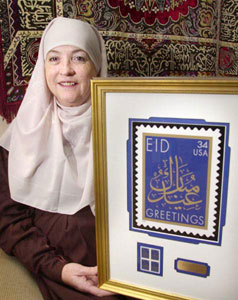
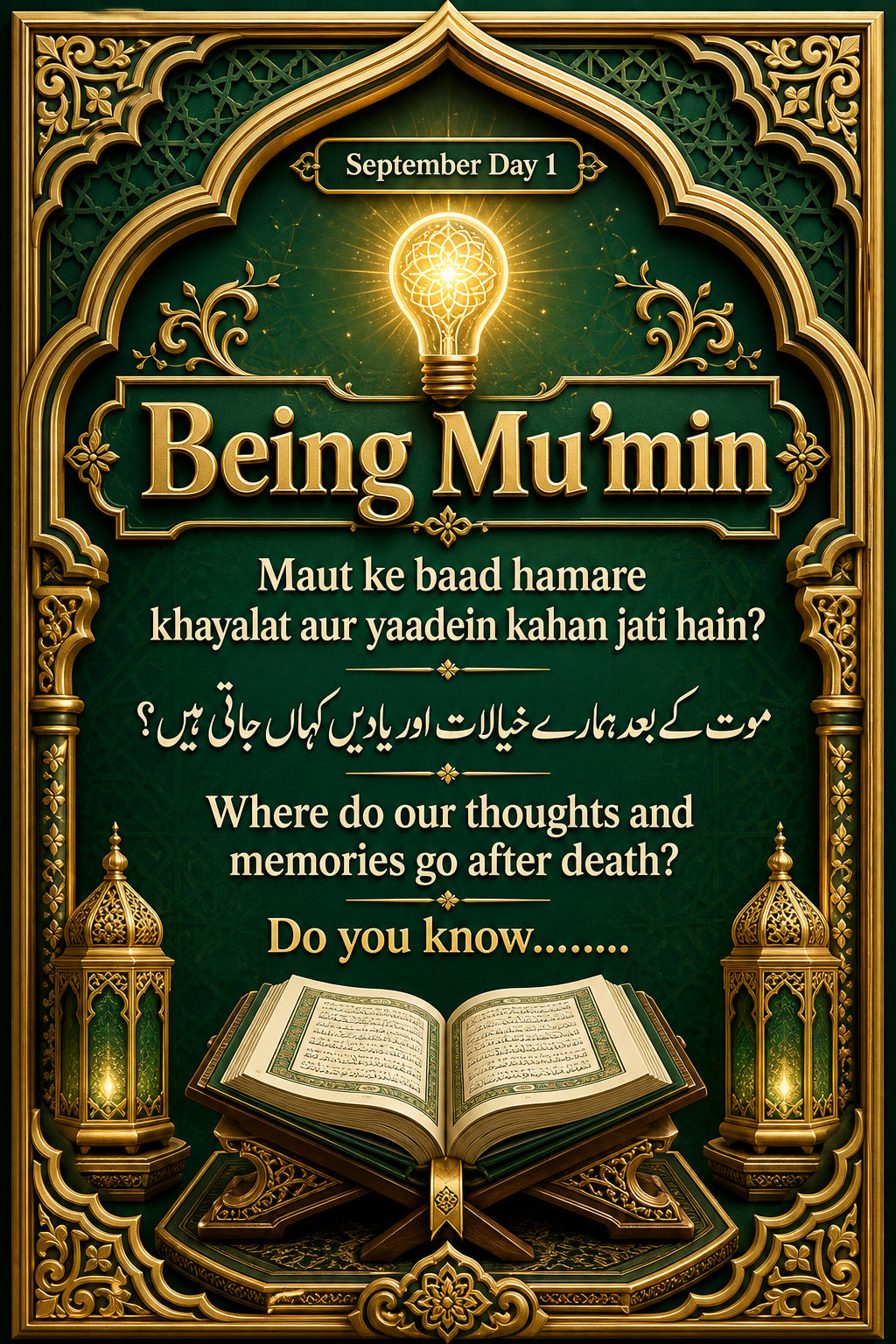


However, Muhammad (PBUH) was the last Prophet of Allah and Allah revived through him the same genuine faith which had been conveyed by all His Prophets. This original message was earlier corrupted and split into various religions by people of different ages, who indulged in interpolations and admixture. These alien elements were eliminated by God, and Islam – in its pure and original form – was transmitted to humankind through Prophet Muhammad (PBUH).